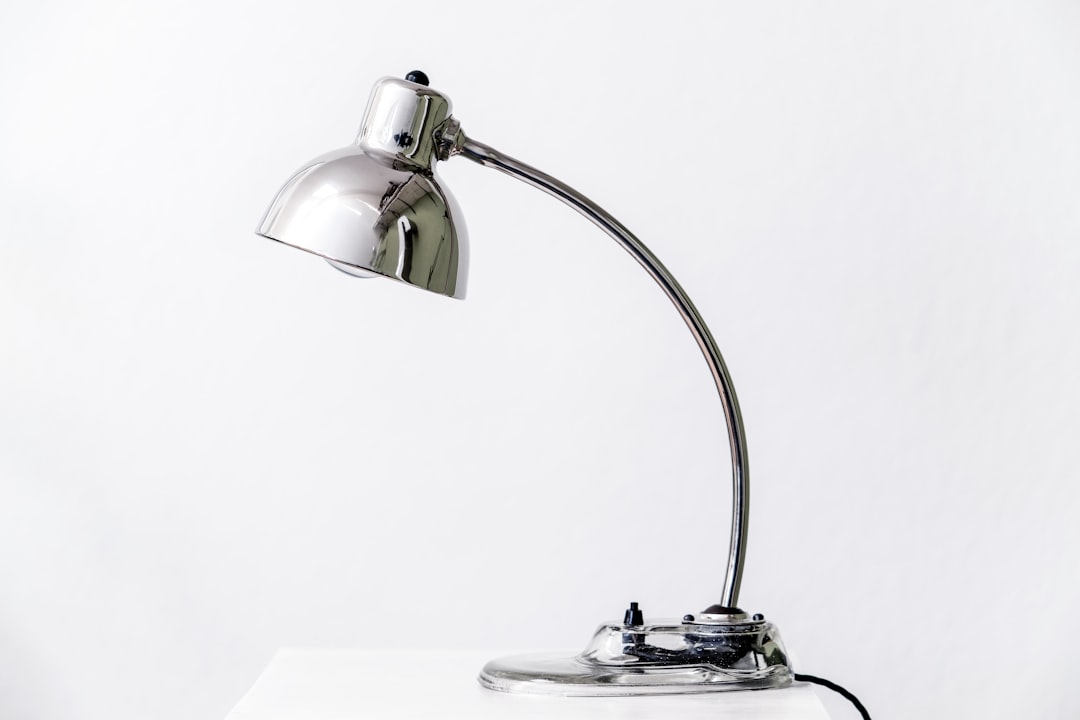
So, you’re wondering if a green glass banker lamp is a good fit for your home library? The short answer is a resounding yes. These lamps aren’t just decorative; they offer practical benefits that can genuinely enhance your reading and working experience, all while adding a touch of classic charm to your space.
Now, let’s dive into the specifics of why this seemingly simple light Catnup fixture has stood the test of time and continues to be a favorite among book lovers and home office dwellers alike.
A banker lamp, with its distinctive green glass shade and brass or bronze base, is more than just a pretty face. It’s a functional lighting solution with a rich history, originally designed for tasks requiring focused illumination. This makes it a perfect companion for your home library, where concentrated reading or writing is often the order of the day.
Focused Illumination for Task Efficiency
One of the primary benefits of a banker lamp is its highly directed light. The opaque green shade funnels light directly downward onto your desk or reading surface. This isn’t accidental design; it’s a deliberate feature aimed at reducing glare and focusing light precisely where you need it.
- Reduces Eye Strain: By illuminating only your immediate workspace, the contrast between your illuminated book and the darker surroundings is minimized, reducing the strain on your eyes, especially during long reading sessions. Think about it – your eyes aren’t constantly adjusting to differing light levels across your field of vision.
- Optimal for Detail Work: Whether you’re poring over fine print, meticulously taking notes, or engaging in a hobby that requires close attention to detail, the targeted light helps bring those details into sharp focus.
A Nod to Classic Aesthetics and History
Let’s be honest, part of the appeal is undoubtedly the lamp’s iconic look. It instantly evokes a sense of tradition, academia, and a bygone era of thoughtful contemplation.
- Timeless Design: The design is truly timeless. It blends seamlessly with various décor styles, from traditional to transitional, and even adds an interesting contrast to more modern aesthetics. It’s a piece that won’t look dated in a few years.
- Historical Significance: These lamps first appeared in the early 20th century, becoming a staple in banks, libraries, and offices. Owning one is like owning a small piece of functional history; it tells a story without saying a word.
Choosing Your Green Glass Companion: What to Look For
Not all banker lamps are created equal. While the core design remains consistent, there are several factors to consider when selecting the perfect one for your library.
Understanding Green Glass Shades: Function and Form
The green glass isn’t just for show; it serves a practical purpose. The specific shade of green and the way it’s manufactured contribute to the lamp’s unique lighting characteristics.
- Emerald vs. Forest Green: You’ll typically find two main shades: a brighter emerald green and a deeper, more muted forest green. The emerald can feel a bit more vibrant and potentially reflect a slightly cooler light, while the forest green tends to be more subdued and offers a warmer glow. Neither is inherently “better”; it’s a matter of personal preference and how it harmonizes with your existing decor.
- Opaque vs. Translucent: Most traditional banker lamps feature opaque green glass, which is key to directing the light downward. Some modern interpretations might have slightly translucent shades, but be mindful that this could diminish the glare-reducing benefits.
- Hand-Blown vs. Molded: Higher-quality lamps often feature hand-blown glass shades, which might have subtle imperfections that add to their character. Molded shades are more uniform and typically found in more budget-friendly options. Both are functional, but the hand-blown can feel a bit more artisanal.
Base Materials: Durability and Style
The base material significantly impacts the lamp’s stability, durability, and overall aesthetic.
- Brass: This is the most traditional and common base material. Solid brass offers excellent weight and durability, developing a beautiful patina over time. Brass-plated options are lighter and more affordable but less robust.
- Bronze: Ofter confused with brass, bronze typically has a darker, richer, and slightly more reddish hue. It also ages gracefully and provides a substantial feel.
- Other Metals: You might encounter lamps with bases made from steel with a different finish (e.g., black, chrome). These can offer a more contemporary look but might lack the classic weight and feel of brass or bronze.
- Weighted Base: Regardless of the material, ensure the base is adequately weighted. A heavy base prevents the lamp from easily tipping over, which is crucial for a desk lamp.
The Inner Workings: Wiring and Switches
While less visually striking, the electrical components are vital for safety and functionality.
- UL Certification (or equivalent): Always check for safety certifications (like UL in North America) to ensure the lamp meets electrical safety standards.
- Cord Length and Placement: Consider where you’ll be placing the lamp and ensure the cord is long enough to reach an outlet without needing an extension cord. Also, note if the cord exits from the back or side of the base, as this can affect placement.
- Switch Type:
- Pull Chain: The most classic option, true to historical designs. It adds to the lamp’s vintage charm.
- Rotary Switch: Often found on the base or the cord, these are a common and reliable alternative.
- Toggle Switch: Less common on traditional banker lamps but sometimes found on modern variations.
- Dimmer Switch: A dimmer is a fantastic feature for a library lamp, allowing you to adjust the brightness based on your activity (e.g., bright for reading, softer for ambient light).
Lighting Up Your Library: Placement and Bulb Choices
Once you have your banker lamp, knowing how to place it and what kind of bulb to use will optimize its performance.
Optimal Placement for Maximum Impact
Strategic placement is key to harnessing the banker lamp’s benefits and integrating it seamlessly into your library.
- On Your Desk or Reading Table: This is its natural habitat. Position it to the side of your dominant hand (e.g., to your left if you’re right-handed) to avoid casting shadows with your hand while writing. The shade should be low enough to direct light onto your work surface without shining directly into your eyes.
- Accent Chair Side Table: If you have a dedicated reading nook with an armchair, a banker lamp on a small side table can provide excellent task lighting without taking up too much space.
- Bookcase Illumination (Indirect): While not its primary function, a banker lamp placed on a higher shelf or the top of a low bookcase can offer a subtle, downward glow that highlights book spines or decorative objects. However, be mindful that it’s designed for task lighting, not broad room illumination.
Bulb Selection: The Modern Twist
Gone are the days of limited bulb choices. Modern technology offers several options that can significantly alter the lamp’s light quality.
- LED Bulbs:
- Energy Efficiency: LEDs consume far less energy than incandescent bulbs, saving you money on your electricity bill.
- Longevity: They last significantly longer, meaning fewer bulb changes.
- Color Temperature: This is crucial. Look for “warm white” (around 2700K-3000K) for a cozy, inviting glow that mimics traditional incandescent light. “Cool white” (above 4000K) can feel stark and office-like, which might not be ideal for a library. “Daylight” (5000K and above) is usually too harsh for a home library setting.
- Dimmer Compatibility: If your lamp has a dimmer, ensure your LED bulb is “dimmable.” Not all LEDs are.
- Incandescent Bulbs (if available and preferred):
- Warmth: They naturally emit a very warm, comforting light.
- Energy Consumption: They’re much less energy-efficient and generate more heat.
- Lifespan: Shorter lifespan compared to LEDs.
- Availability: Becoming harder to find due to energy regulations in many regions.
- CFL Bulbs (Compact Fluorescent Lamps):
- Efficiency: More efficient than incandescent but less so than LEDs.
- Warm-up Time: Often take a moment to reach full brightness.
- Disposal: Contain mercury, requiring proper disposal. Generally, LEDs are a superior choice.
Pro Tip on Lumens: Don’t just look at wattage; look at lumens (the measure of brightness). For a desk lamp, something in the range of 400-800 lumens should be sufficient, depending on your needs. A higher lumen bulb with a dimmer offers the most versatility.
Maintaining Your Investment: Keeping Your Lamp Pristine
A quality banker lamp is an investment. A little care goes a long way in preserving its beauty and functionality for years to come.
Cleaning the Green Glass Shade
The glass shade is the lamp’s signature feature, so keeping it clean is important.
- Gentle Approach: Always use a soft, lint-free cloth. Microfiber works excellently.
- Mild Cleaner (if needed): For smudges or grime, dampen your cloth slightly with plain water or a very mild glass cleaner (non-ammoniated is best to protect metals). Spray the cleaner onto the cloth, not directly onto the glass, to avoid dripping onto the electrical components or base.
- Dry Thoroughly: Polish with a dry cloth to prevent streaks.
- Dust Regularly: A quick dust with a dry cloth is usually all it takes to keep it looking good.
Caring for the Metal Base
The metal base can require different care depending on its material and finish.
- Brass/Bronze (Unlacquered): These metals will naturally develop a patina over time, which many find attractive. If you prefer a shiny finish, use a specialized brass or bronze cleaner according to the product instructions. Always test in an inconspicuous area first.
- Brass/Bronze (Lacquered): Many modern brass or bronze lamps have a clear lacquer coating to prevent tarnishing. Do NOT use abrasive cleaners or polishes, as this can damage the lacquer. Simply wipe with a soft, dry or slightly damp cloth.
- Other Metals: Follow manufacturer recommendations. Generally, a soft, dry cloth is sufficient for removing dust and fingerprints. Avoid harsh chemicals that could strip finishes.
Beyond the Library: Versatile Decor Applications
While we’re focusing on the library, it’s worth noting that a green glass banker lamp isn’t exclusively bound to books. Its classic appeal makes it a versatile piece for other areas of your home.
Office Desk Enhancement
This is its original stomping ground. For a home office setup, it provides that professional yet inviting touch, fostering an environment of focus and intellectual pursuit.
- Professional Aesthetic: It instantly elevates the look of any home office desk, adding a layer of sophistication.
- Functional Workspace: The directed light is perfect for computer work, paperwork, and writing.
Bedroom Reading Nook
Don’t overlook its potential in the bedroom. If you have a bedside table that accommodates its footprint, it can be a stylish and functional reading lamp.
- Bedside Illumination: Perfect for late-night reading without disturbing a partner, as the light spill is contained.
- Cozy Ambiance: The warm glow from a well-chosen LED bulb can contribute to a relaxing bedroom atmosphere.
Entryway Console Accent
While not a task light here, a banker lamp on an entryway console table can serve as a charming accent piece. Since it’s not being used for direct task lighting, you might even opt for a lower lumen bulb or keep it off, letting it speak for itself visually. It’s a welcoming touch that hints at a home with character.
In conclusion, a green glass banker lamp is more than just a decorative item; it’s a statement of style, a nod to history, and a highly practical source of focused illumination for your home library. By understanding its design principles, choosing wisely, and caring for it properly, you’ll be investing in a piece that will enhance your reading experience and the aesthetic of your space for many years to come. So go ahead, give your library the distinguished glow it deserves.