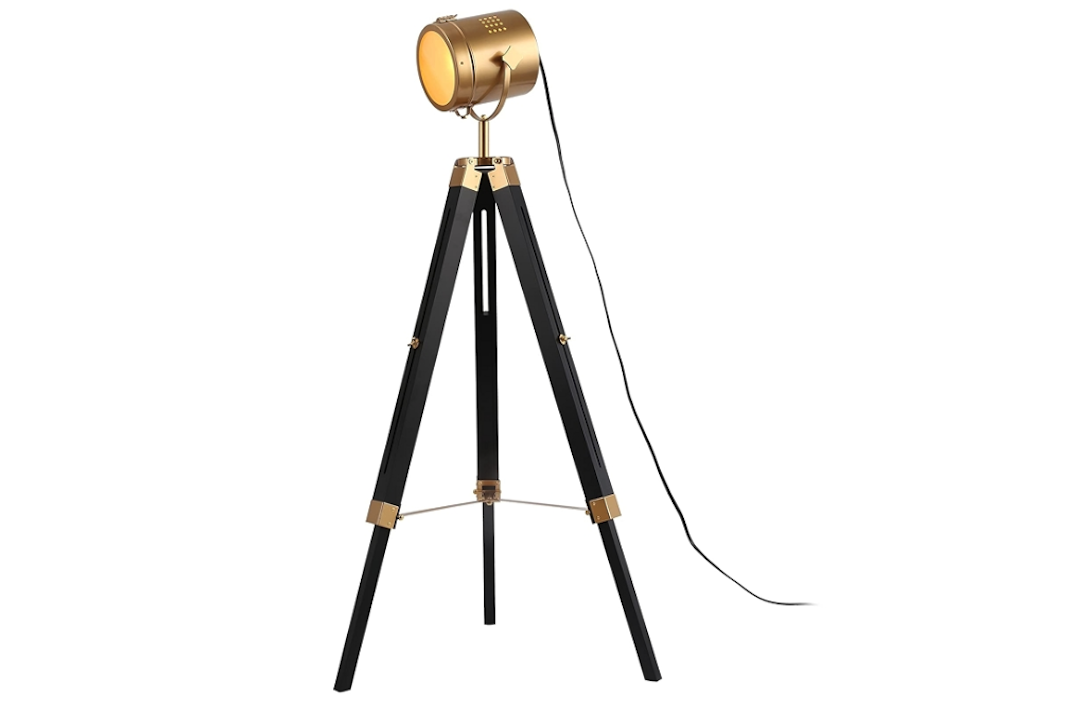
So, you’re thinking about a tripod searchlight floor lamp to liven up your space? That’s a great idea. These lamps bring a distinct vibe, blending a touch of vintage industrial charm with modern functionality. They’re not just about light; they’re about making a statement.
What Exactly Is an Industrial Tripod Searchlight Floor Lamp?
At its core, it’s a floor lamp that takes its design cues from old-fashioned searchlights, often featuring a large, focused spotlight-style head. The “tripod” part refers to its base, which typically has three legs, giving it stability and that characteristic rugged, industrial look. Think of it as a stylish, portable spotlight for your home or office.
Why Consider One for Your Home?
Beyond just illumination, these lamps Mosundesign offer a unique aesthetic. They can anchor a room, become a conversation starter, and provide directional lighting perfect for specific tasks or for highlighting artwork. They fit surprisingly well in a variety of decor styles, not just hardcore industrial.
These lamps aren’t shy about their design. They embrace materials and forms that echo factories, workshops, and old film sets.
The Appeal of Industrial Design
The industrial look is all about honest materials and functional design. It’s a style born from practicality, and that authenticity translates into something really appealing.
- Raw Materials: Expect to see a lot of metal – brushed steel, cast iron, sometimes even aged brass or copper. The texture and patina of these materials are part of the charm.
- Visible Mechanics: Unlike sleeker modern designs, industrial lamps often show off their construction. Exposed screws, articulated joints, and visible wiring aren’t flaws; they’re features.
- Robust Construction: They feel solid and built to last. This weightiness contributes to their grounded and substantial presence in a room.
Beyond the Loft: Where it Fits
While they originated with loft apartments and urban spaces, these lamps have proven versatile.
- Living Rooms: They can flank a sofa, offering excellent reading light and a sculptural element.
- Home Offices: Perfect for desk-side illumination, adding a touch of flair to your workspace.
- Bedrooms: As a statement bedside lamp, especially in rooms with a more minimal or eclectic decor.
- Entryways: To greet guests with a warm, directed glow and a touch of personality.
- Galleries and Art Spaces: Their focused beam is ideal for highlighting artwork or features.
Functionality: More Than Just a Pretty Lamp
It’s one thing to look good, but how well do these lamps perform their primary job – lighting up your space?
Focused Illumination
The “searchlight” aspect is key here. These lamps are designed to cast a directed beam.
- Task Lighting: This makes them fantastic for specific activities. Whether you’re reading a book, working on a craft, or detailing something on your desk, the focused light is precise and effective. You get light exactly where you need it, minimizing glare on other surfaces.
- Accent Lighting: Want to draw attention to a piece of art, a textured wall, or a plant? The adjustable head on many tripod searchlights allows you to precisely aim the light, creating dramatic shadows and highlighting points of interest. This is a much more sophisticated approach than just flooding a room with general light.
- Ambiance Control: Because the light is often directional, you have more control over the mood of a room. You can create pockets of light and shadow, making a space feel more intimate or dramatic, depending on your preference.
Adjustability and Flexibility
A significant practical advantage of these lamps is their adjustability.
- Height and Angle: The tripod base often incorporates mechanisms to adjust the height of the lamp, allowing you to tailor it to your specific needs. Even more importantly, the lamp head itself is usually articulated, meaning you can tilt and swivel it to direct the light precisely where it’s needed. This flexibility means the lamp can adapt to different tasks and room layouts over time.
- Portability (Within Reason): While not designed to be moved constantly, the tripod design does make them relatively easy to reposition if you decide to rearrange your furniture or need the light in a different spot for a while. They feel substantial but aren’t usually so heavy as to be immovable.
Bulb Considerations
The type of bulb you use can significantly impact the lamp’s performance and the overall feel of your space.
- LED vs. Incandescent: Most searchlight-style lamps now accommodate LED bulbs, which are energy-efficient and long-lasting. You can find LEDs in a range of color temperatures.
- Color Temperature: This is crucial for setting the mood. A warmer, amber-toned light (around 2700K-3000K) creates a cozy and inviting atmosphere, perfect for living areas and bedrooms. A cooler, brighter white light (4000K+) is better for task lighting where clarity and focus are paramount, like a home office.
- Wattage Equivalence: Pay attention to the wattage equivalent of LED bulbs to ensure you’re getting the brightness you need. Many have a maximum wattage for the fixture, so it’s good to check this.
Design Elements: What to Look For
It’s not just about the industrial look; the specific design features can make a big difference in how the lamp looks and performs.
The Lamp Head: The Star of the Show
This is where the “searchlight” identity really comes into play.
- Classic Searchlight Shape: You’ll often see a large, cylindrical or cone-shaped head, reminiscent of those used on ships or in early photography studios. These are typically made of metal.
- Material Finishes: Look for finishes that suit your style. Brushed nickel, matte black, antique brass, or even a distressed finish can all add different layers of character.
- Internal Reflectors: The inside of the lamp head usually has a reflective surface to maximize the light output and direct it efficiently.
- Grid or Cage Details: Some designs incorporate a wire cage or grid around the bulb. This adds to the industrial aesthetic and can also serve as a protective element.
The Tripod Base: Stability and Style
The base is what gives the lamp its name and a significant part of its visual identity.
- Material and Construction: Tripod legs are typically made of metal, often matching the lamp head. They can be solid, tubular, or have a more articulated, jointed appearance. The steadiness of the tripod is paramount, so ensure it feels robust.
- Adjustable Legs: Some higher-end models might have legs that can be individually adjusted for uneven surfaces, though this is less common.
- Collapsible Designs: A few models offer legs that can collapse inward, making them slightly easier to store or move, though they still retain their tripod stance when in use.
- Cable Management: Look for subtle features like cable clips or channels to keep the power cord tidy and integrated with the design.
Articulation and Adjustments
The ability to move and position the lamp is key to its practicality.
- Height Adjustment: Telescoping poles or locking joints are common ways to adjust the lamp’s height. This allows you to adapt it to different seating heights or to focus light on different areas.
- Lamp Head Swivel and Tilt: The mechanism where the lamp head connects to the main pole is usually highly articulate, allowing for a wide range of angles. This is essential for precise task lighting or accent illumination.
- Durable Joints: Check that the joints feel secure and hold their position once adjusted. You don’t want a lamp that droops or shifts unexpectedly.
Practical Considerations: Before You Buy
Before you click “add to cart” or head to the store, there are a few practical things to think about.
Size and Scale
These lamps can be quite substantial. Make sure you have the right amount of space.
- Footprint: The tripod base, while providing stability, requires a certain amount of floor space. Measure the area where you intend to place it to avoid it feeling cramped or obtrusive.
- Height Range: Consider the adjustable height. If it’s your primary reading lamp next to a sofa, you want it to reach a comfortable height for where you sit. If it’s for accent lighting, a shorter model might be ideal.
Weight and Stability
Industrial lamps are often built with solid materials, making them quite heavy.
- Moving It: If you anticipate needing to move the lamp around often, consider its weight and whether you’ll be able to manage it. While stable when positioned, it’s not a lightweight floor lamp.
- Pets and Children: A heavy, well-balanced tripod is generally quite stable. However, if you have very young children or curious pets who might bump into furniture, always err on the side of caution and ensure the lamp is positioned away from high-traffic areas if possible.
Power Source and Cord Management
It might sound obvious, but think about where your nearest power outlet is.
- Outlet Proximity: Is there an outlet within reach of the lamp’s cord length? If not, consider if an extension cord would be an acceptable solution aesthetically.
- Cord Length and Color: Some lamps have cords that blend better with their finish, while others might have a contrasting color (like black or white) that could be more noticeable.
Assembly
Most floor lamps require some assembly, but these are generally straightforward.
- Instruction Manual: Check if instructions are clear and easy to follow.
- Tools Required: Most will come with the necessary tools, but it’s worth a quick check. Basic tools like a screwdriver are often all that’s needed.
- Complexity: The assembly usually involves attaching the legs to the main pole and then securing the lamp head. It’s typically a manageable DIY task.
Integrating the Searchlight Lamp into Your Decor
Wondering how to make this statement piece truly work in your home? It’s all about balance and thoughtful placement.
Creating a Focal Point
These lamps are inherently eye-catching, so let them do their job.
- Corner Statement: Place it in a corner of a room, perhaps next to an armchair or a side table. The focused light can create a cozy reading nook, and the lamp itself becomes a sculptural element.
- Behind a Sofa: A well-placed tripod searchlight lamp behind or to the side of a sofa can add height and visual interest to an often-awkward space.
- Alongside a Fireplace: If you have a fireplace, a searchlight lamp can complement the rustic or industrial feel of the hearth, drawing attention to the area.
Balancing Industrial with Other Styles
You don’t need a full industrial makeover to enjoy one of these lamps.
- Mid-Century Modern: The clean lines of some tripod bases can surprisingly complement mid-century furniture. The metal finish adds a contemporary edge.
- Bohemian Eclectic: In a more maximalist or bohemian space, an industrial searchlight lamp can add an unexpected contrast and a touch of raw texture. It’s the kind of piece that adds depth to a collection of diverse items.
- Contemporary Minimalism: Even in a minimalist setting, one of these lamps can serve as a strong accent piece, providing a focal point without overwhelming the space. The key is often a restrained material and finish, like matte black steel.
Lighting Zones and Mood Setting
Use the lamp to carve out distinct areas and moods within a larger room.
- Reading Nook: As mentioned, its directed beam is perfect for creating a dedicated, comfortable reading area.
- Highlighting Features: Use it to illuminate a favorite piece of art, a textured wall treatment, or a collection of plants. The contrast between the light and shadow can be very dramatic.
- Setting the Evening Ambiance: Instead of broad overhead lighting, a searchlight lamp can provide a more intimate and warmer glow for evenings, particularly when paired with a warmer-toned bulb.
Maintaining Your Industrial Searchlight Floor Lamp
These lamps are built to last, but a little care will keep them looking their best.
Cleaning Procedures
Dust is the primary enemy. Metal finishes can also show fingerprints.
- Regular Dusting: Use a soft, dry microfiber cloth to dust the lamp head, pole, and tripod legs regularly. This prevents dust from building up and becoming harder to remove.
- Fingerprints and Smudges: For metal finishes, a slightly damp (not wet) cloth can often remove fingerprints. For more stubborn marks, a mild, non-abrasive metal cleaner designed for the specific finish might be necessary, but always test in an inconspicuous area first.
- Avoid Harsh Chemicals: Never use abrasive cleaners, solvents, or harsh chemicals, as they can damage the finish.
Checking Connections and Stability
Periodically, it’s a good idea to give your lamp a quick once-over.
- Joint Tightness: If you adjust the lamp head or height often, the locking mechanisms might need a gentle tighten over time. Avoid overtightening, which can strip threads.
- Base Stability: Ensure the tripod legs are still firmly on the floor and that the lamp feels as stable as it did when you first set it up.
- Bulb Socket: Make sure the bulb is screwed in securely.
Bulb Replacement
Replacing the bulb is usually the most frequent maintenance task.
- Safety First: Always turn off and unplug the lamp before attempting to change the bulb. Allow the bulb to cool if it has recently been on.
- Correct Bulb Type: Refer to the lamp’s specifications for the maximum wattage and the correct bulb base type (e.g., E26, E27). Using the wrong bulb can be a fire hazard.
- LED Benefits: If you haven’t already, consider switching to LED bulbs. They generate less heat, last longer, and are more energy-efficient, reducing the frequency of replacements and your electricity bill.
By understanding what makes these lamps unique and considering these practical points, you can confidently choose and integrate an industrial tripod searchlight floor lamp that not only lights your space but also adds a significant dose of character and style. They’re a fantastic way to combine form and function in your home.