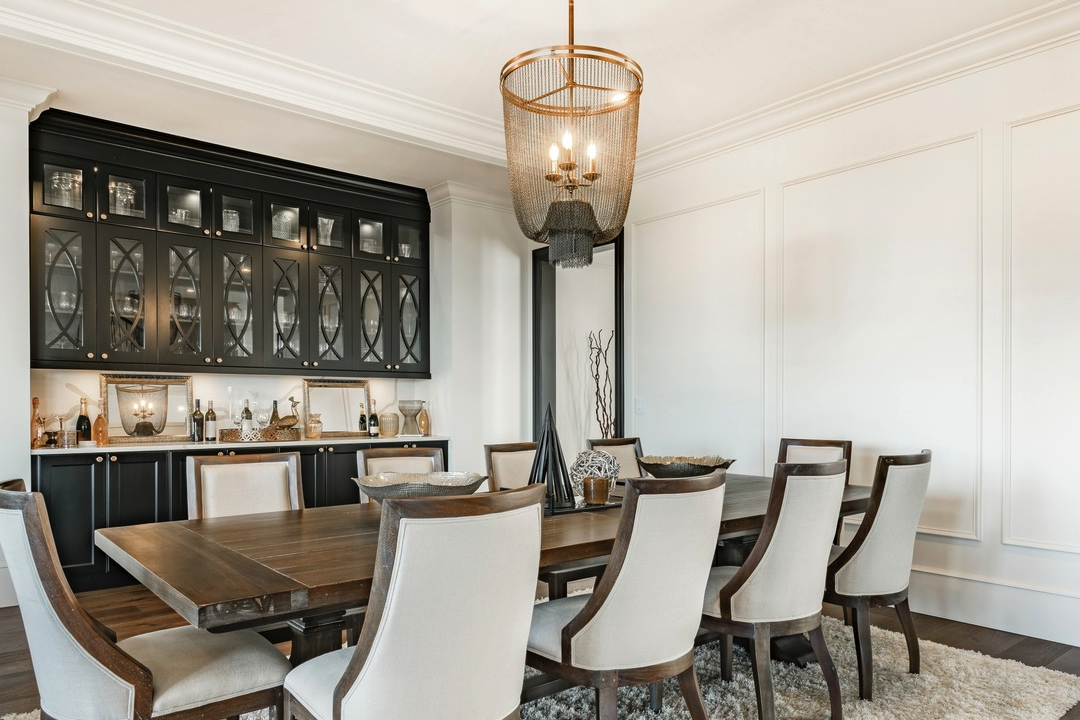
Thinking about giving your formal dining room a bit of a glow-up? An antique silver chandelier is a fantastic way to do it. It’s not just a light fixture; it’s a statement piece that brings history, elegance, and a warm, inviting ambiance to your space. Let’s dive into how you can make this happen without feeling overwhelmed.
So, what makes an antique silver chandelier Seanoon so special, especially for a formal dining room? It’s more than just sparkling crystals or shiny metal. It’s about the story, the craftsmanship, and the unique character it brings.
A Touch of History and Craftsmanship
When you hang an antique silver chandelier, you’re not just adding light; you’re bringing a piece of history into your home. These chandeliers were often made during eras known for meticulous metalwork and artistry. Think about the intricate details, the hand-finished surfaces, and the quality of the materials that just aren’t replicated in mass-produced items today. Each one has its own journey, its own past, which adds a layer of depth and personality that a new fixture can’t match. Imagine the conversations it could spark, hinting at the events it might have illuminated in the past.
Timeless Elegance and Sophistication
Silver has a unique way of reflecting light that feels soft and sophisticated. Unlike brass or gold, silver often has a cooler, more understated tone. This makes it incredibly versatile, fitting in with a range of decor styles, from traditional to more contemporary settings where you want just a hint of vintage charm. An antique silver chandelier can elevate your dining room from merely functional to truly elegant, transforming it into a space where special meals and gatherings feel even more memorable. It’s that perfect blend of presence and refinement.
Uniqueness and Character
Let’s be honest, in a world of mass-produced everything, finding something truly unique is a win. Antique chandeliers are by their very nature one-of-a-kind. You’re unlikely to see the exact same piece in a neighbor’s house. This individuality speaks volumes about your taste and helps create a dining room that truly reflects you. It’s a way to express personality and a discerning eye for quality and style.
Choosing the Right Antique Silver Chandelier
Now, the fun part – picking the perfect piece! This isn’t about just grabbing the first shiny thing you see. It’s about finding a chandelier that complements your dining room’s size, style, and your personal preferences.
Scale and Proportion: The Golden Rule
This is crucial for any lighting fixture, but especially for a chandelier. You don’t want something so massive it overwhelms the room, nor do you want a tiny piece that gets lost.
Measuring Your Dining Room
A good starting point is to measure the length and width of your dining room in feet. Add those two numbers together. The resulting number, in inches, is a good guideline for the ideal diameter of your chandelier. For example, a room that’s 12 feet by 16 feet would suggest a chandelier with a diameter around 28 inches (12 + 16 = 28).
Considering Ceiling Height
Your ceiling height plays a big role too. For standard 8-foot ceilings, aim for a chandelier that hangs about 30-36 inches from the ceiling to the lowest point of the fixture or its crystals. For higher ceilings (9 feet or more), you can go a bit lower. The bottom of the chandelier should ideally be at least 7 feet from the floor to avoid heads bumping into it.
Style and Design: Matching Your Decor
Antique silver chandeliers come in a surprising variety of styles. Think about the overall aesthetic of your dining room.
French Empire and Rococo Influences
Chandeliers from these periods often feature ornate detailing, scrolling arms, and a lavish use of crystals. If your dining room leans towards grand, classical, or even French country styles, these can be a spectacular fit. They bring a sense of historical opulence.
Art Nouveau Elegance
Art Nouveau chandeliers often incorporate organic, flowing lines, floral motifs, and sometimes stained glass elements alongside the silver. This style is perfect if you appreciate a more artistic and naturalistic feel, adding a graceful and whimsical touch.
Mid-Century Modern Touches
While perhaps less common, you can find antique silver chandeliers from the mid-20th century that have a cleaner, more geometric design. These can bridge the gap between vintage and more contemporary styles, offering a sophisticated, understated sparkle.
Material Considerations: Silver and Beyond
While we’re focusing on silver, it’s worth noting what “antique silver” can mean.
Sterling Silver vs. Silver Plate
True sterling silver (92.5% silver) is incredibly valuable and rare in chandelier form. More commonly, antique chandeliers are silver-plated. This means a base metal (often brass or copper) has been coated with a layer of silver. Over time, the plating can wear in places, revealing the base metal. This patina can actually add to the charm and authenticity of an antique piece, giving it that distressed, lived-in look.
Crystal and Glass Elements
Many antique silver chandeliers are adorned with crystals or glass. These can range from clear, faceted Bohemian glass to more elaborate cut glass. The quality and cut of these elements will significantly impact how the chandelier reflects light and its overall sparkle.
Integrating Your Chandelier into the Dining Room
Getting your chandelier is just the first step. Now, how do you make it work flawlessly within your existing space? It’s about balance and making sure it’s the star without being out of place.
Placement: The Heart of the Room
Where you hang your chandelier is as important as the chandelier itself.
Centering Over the Table
The most classic placement is directly above the center of your dining table. This creates a focal point and ensures that the light is distributed evenly during meals. If your table is extendable, you might want to consider how the chandelier’s position will work with different table configurations.
Considering Room Layout
Sometimes, a dining room isn’t a simple rectangle or square. If you have an unusually shaped room or an open-plan space, you might need to think about how the chandelier defines the dining area. It can act as a visual anchor, clearly delineating where the dining space begins and ends.
The Importance of Clearance
We touched on this in scaling, but it bears repeating: ensure there’s enough headroom. No one wants to duck or worry about bumping their head on a beautiful antique. Seven feet from the floor to the lowest point of the chandelier is a widely accepted minimum.
Lighting Control: Setting the Mood
An antique chandelier is beautiful, but its true power is in the light it casts. Being able to control that light is key.
Dimmer Switches: Your Best Friend
This is almost non-negotiable for a dining room. A dimmer switch allows you to adjust the intensity of the light, creating different ambiances. Bright and functional for everyday meals or a softer, more intimate glow for special occasions.
Bulb Choice: Warmth and Sparkle
The type of bulbs you use will significantly affect the light quality. Opt for warm-toned LED bulbs that mimic the glow of incandescent lights. This will enhance the antique feel and prevent harsh, sterile lighting. Consider the number of bulbs and their wattage to achieve your desired brightness.
Complementing Other Decor Elements
Your chandelier shouldn’t exist in isolation. It needs to play nicely with the rest of your room.
Balancing Metallic Accents
If you have other metallic elements in your room – perhaps in your table legs, mirror frames, or artwork – aim for a harmonious blend. The antique silver can either be a standout piece or blend seamlessly with other silver or even brushed nickel accents. Avoid clashing finishes if possible.
The Role of Tableware and Linens
Your choice of tableware, linens, and even centerpiece can either complement or compete with your chandelier. Think about how they will interact with the light. A crisp white tablecloth can reflect the light beautifully, while darker tones might absorb it. Similarly, the material of your serving dishes can catch the light from the chandelier.
Sourcing and Maintaining Your Antique Silver Chandelier
Finding the right piece and keeping it looking its best requires a little know-how.
Where to Discover Your Gem
The hunt for an antique chandelier can be an adventure in itself.
Antique Shops and Dealers
These are your traditional hunting grounds. Reputable dealers often have a curated selection and can provide provenance or history for their pieces. Don’t be afraid to ask questions about the age, origin, and any restoration work that has been done.
Online Marketplaces and Auctions
Websites like eBay, 1stDibs, and even local auction house sites can be treasure troves. However, this requires more caution. Always check seller reviews, request detailed photos, and understand return policies. Online auctions can offer great deals, but be prepared for competition.
Estate Sales and Flea Markets
These can yield incredible finds, often at much lower prices. However, they typically offer less information and require more inspection on your part. You might find a piece needing some TLC, which can be a rewarding restoration project.
Inspection and Authentication
When you find a potential candidate, a thorough inspection is vital.
Checking for Damage
Look for any cracked or missing crystals, loose arms, or signs of significant corrosion on the silver. Inspect the wiring – is it original and safe, or has it been updated? If you’re buying from a dealer, they should be able to confirm the electrical safety of the fixture.
Identifying the Era and Style
Researching the hallmarks of different design periods can help you authenticate the piece. Look for characteristic shapes, decorative motifs, and the quality of the craftsmanship, which are often indicative of a particular era.
Understanding Originality vs. Restoration
Some chandeliers may have been rewired or had some crystals replaced. This isn’t necessarily a bad thing, especially if it makes the fixture functional and safe. What you want to avoid are extensive, poorly executed alterations that detract from the original integrity.
Caring for Your Investment
Antique silver requires a gentle touch.
Cleaning the Silver
For lightly tarnished silver, a soft cloth and a silver polishing cloth should suffice. Avoid harsh chemical cleaners, as they can damage the plating or the underlying metal. For deeper tarnish, consult with a professional antique restorer. Buffing too aggressively can remove the beautiful patina that adds character.
Dusting and Crystal Care
Regular dusting with a soft brush or microfiber cloth will keep your chandelier looking its best. For the crystals, a gentle wipe with a slightly damp cloth (distilled water is best to avoid water spots) followed by a dry polish should do the trick. Ensure the power is off and the chandelier is cool before cleaning.
Professional Cleaning and Restoration
If your chandelier is particularly valuable or in need of extensive cleaning or repair, consider engaging a professional who specializes in antique lighting. They have the expertise and specialized tools to restore it without compromising its antique value.
Beyond the Shine: The Impact of an Antique Silver Chandelier
It’s easy to get caught up in the aesthetics, but the true value of an antique silver chandelier lies in how it transforms the experience of your dining room.
Creating a Welcoming Ambiance
The warm, diffused light from a well-chosen chandelier can make your dining room feel instantly more inviting. It casts a soft glow that flatters both food and people, making mealtimes more enjoyable and conversations flow more easily. It’s about creating a mood, a setting that encourages people to linger and connect.
A Conversation Starter
An antique piece naturally draws attention and sparks curiosity. Guests will likely ask about its origins, its age, and where you found it. This adds a personal touch to your home and turns a functional space into one with a story. It’s a way to share your passion for history and design with others.
Enhancing Property Value and Appeal
While not the primary reason for purchase, a well-integrated antique chandelier can indeed add to the perceived value and sophistication of your home. It signals an appreciation for quality and timeless style, which are universally appealing attributes. It’s a lasting addition that contributes to the overall character of your home.
A Personal Statement of Style
Ultimately, choosing an antique silver chandelier is a personal statement. It signifies a departure from the ordinary, an embrace of history, and a commitment to creating a beautiful, meaningful space. It’s a way to infuse your dining room with personality and a sense of curated elegance that speaks to who you are. It’s not just decorating; it’s storytelling through objects.