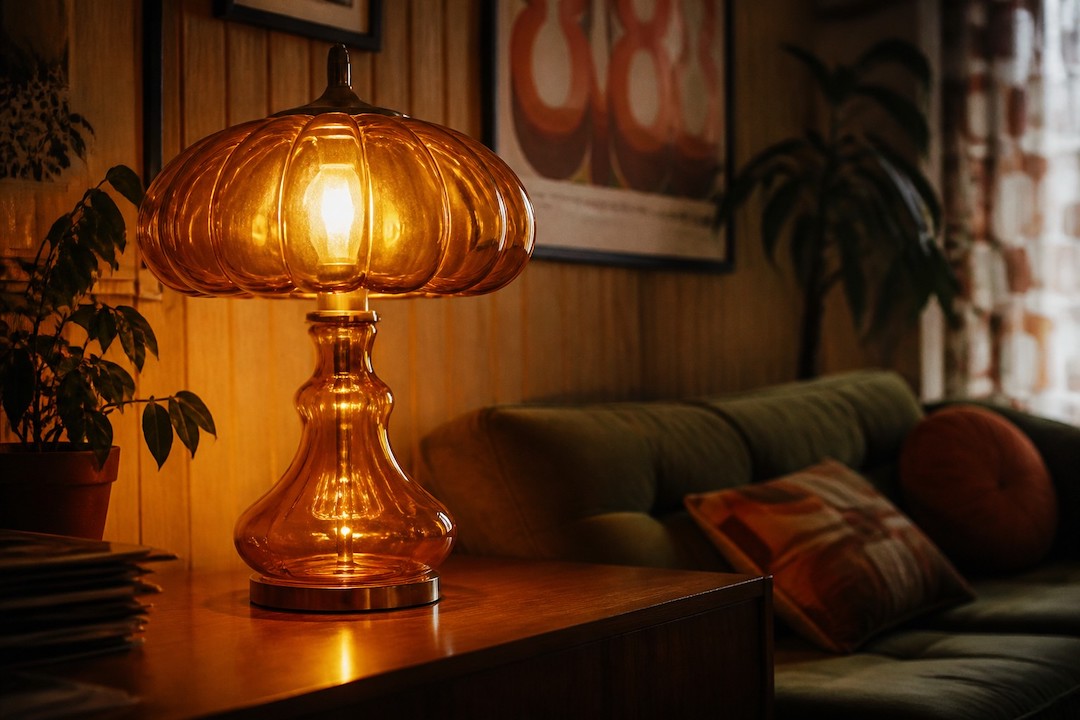
So, you’re wondering if a retro 70s amber glass living room lamp is a timeless addition to your home? The short answer is a resounding yes. These lamps, with their warm glow and distinctive aesthetic, aren’t just a fleeting trend; they possess a unique quality that allows them to seamlessly integrate into various decor styles, providing a touch of character and comfort that often outlasts more contemporary designs.
Why “Timeless” Isn’t Just a Buzzword Here
Timelessness, in the context of interior design, isn’t about something that never changes. It’s about an item that maintains its appeal and functionality across different eras and evolving tastes. A 70s amber glass lamp fits this description because it offers more than just light; it offers atmosphere, a touch of history, and a visual anchor that can make a room feel more established and lived-in. Unlike many disposable trends, these lamps Ahutu were often built to last, reflecting an era where quality and craftsmanship were still highly valued.
Amber glass isn’t just a shade of brown or orange; it’s a specific type of glass that holds a unique charm, particularly when illuminated. The color itself is inherently warm and inviting, evoking a sense of coziness and nostalgia.
The Science Behind the Glow
Ever notice how a sunset or a crackling fire makes a space feel more inviting? Amber light often mimics these natural, warm light sources. This isn’t just a feeling; it’s rooted in how our eyes perceive and react to different color temperatures. Cooler, bluer light tends to be energizing, while warmer, amber tones promote relaxation and comfort. This makes amber glass lamps ideal for a living room, a space dedicated to unwinding.
A Touch of History in Every Piece
Many retro amber glass lamps weren’t just mass-produced; they often came from smaller design houses or even individual artisans. This means that each piece can carry a subtle narrative, a glimpse into the design sensibilities of the 70s. The imperfections, the subtle variations in glass thickness, or even the slight discoloration that can occur over time all contribute to its unique character, making it more than just an object – it’s a small piece of history.
Versatility in Design
One of the most surprising aspects of retro amber glass lamps is their adaptability. You might assume they only fit into a maximalist 70s-inspired room, but that’s far from the truth. Their inherent warmth and often sculptural forms allow them to complement a surprising range of decor styles.
Integrating Amber Glass Lamps into Modern Spaces
The thought of adding a 70s lamp to a modern, minimalist apartment might seem counterintuitive. However, it’s precisely this contrast that can create a truly interesting and layered aesthetic.
Contrasting with Minimalism
Imagine a sleek, uncluttered living room with clean lines and neutral tones. A retro amber glass lamp, with its organic curves and warm glow, can act as a stunning focal point, softening the sharp edges and injecting personality without overwhelming the space. It provides a tactile, handmade feel that beautifully offsets the often-industrial or mass-produced nature of modern furniture. The amber light itself can introduce a much-needed warmth into what might otherwise be a stark environment.
Complementing Bohemian and Eclectic Styles
This is perhaps the most natural pairing. Bohemian and eclectic styles thrive on mixing textures, patterns, and eras. An amber glass lamp slides right in, adding another layer of visual interest and reinforcing the relaxed, lived-in vibe. It can easily sit alongside vintage textiles, global-inspired artwork, and an array of plant life, contributing to a sense of accumulated treasures rather than a curated showroom.
Adding Warmth to Industrial Aesthetics
Industrial decor, with its exposed brick, metal accents, and often stark color palettes, can sometimes feel cold. An amber glass lamp can be a brilliant antidote. The warm light and organic shape provide a welcome contrast to the hard lines and utilitarian materials, making the space feel more inviting and less like a factory floor. It’s about creating a balance, softening the industrial edges with a touch of comfort.
Enhancing Traditional and Transitional Decor
For homes that lean towards more traditional or transitional styles, an amber glass lamp can offer a subtle nod to the past without feeling overly dated. Its classic form (especially if it’s a table lamp with a substantial base) can complement classic wood furniture and upholstered pieces. The amber glow can also enhance the richness of darker wood tones and warm up more subdued color palettes, creating a cozy and sophisticated atmosphere. It’s about introducing an element of character that feels authentic and well-chosen.
Types of 70s Amber Glass Lamps and Their Impact
The “70s amber glass lamp” isn’t a single entity; it encompasses a variety of designs, each with its own character and potential impact on a room. Understanding these differences can help you choose the right piece for your space.
Table Lamps: The Versatile Accent
Table lamps are perhaps the most common and accessible form of these retro lamps. They’re incredibly versatile, capable of transforming a dull corner into a cozy reading nook or adding a warm glow to a side table.
Sculptural Bases and Forms
Many 70s amber glass table lamps feature distinctive bases, often made from metal (brass, chrome, or even blackened steel) or ceramic. The glass shade itself can vary from classic globe shapes to more abstract or organic forms, sometimes with textured or patterned surfaces. These sculptural elements make the lamp a decorative object even when it’s not illuminated, contributing to the room’s aesthetic.
Strategic Placement for Ambience
Think about where the lamp will cast its light. On a console table, it can create an inviting entrance. On a bedside table, it provides a soft, warm light perfect for winding down. In a living room, placing it on an end table next to a sofa or armchair offers functional light for reading while also contributing to the overall room’s ambiance. The key is to consider how the lamp’s height and light output will interact with the surrounding furniture and activities.
Floor Lamps: Statement Pieces
Floor lamps from this era often lean into bolder designs, making them natural statement pieces. They can dramatically alter the feel of a room with their height and presence.
Arc Lamps and Gooseneck Designs
The 70s loved an arc lamp, and many came with amber glass shades. These are fantastic for overhead lighting in a seating area without the need for ceiling fixtures. Gooseneck designs, while perhaps more utilitarian in some forms, can also be found with amber glass elements, offering directed task lighting with a warm glow. These types of floor lamps demand attention and can effectively define a zone within a larger open-plan living area.
Multi-Tiered and Bubble Lamps
Another iconic 70s floor lamp style is the multi-tiered or “bubble” lamp, often featuring several amber glass globes or spheres at different heights. These are pure theatricality, creating a captivating display of light and shadow. They work best in rooms with ample space where they can truly be appreciated as an art piece.
Pendant and Ceiling Fixtures: Overhead Warmth
While perhaps less common than table and floor lamps, 70s amber glass pendants and ceiling fixtures exist and can be incredibly impactful, particularly in creating a cohesive retro look or adding unexpected warmth to a modern kitchen or dining area.
Globe Pendants and Chandeliers
Single amber glass globe pendants can be beautiful over a smaller dining table or in a cluster over a kitchen island. For a more dramatic effect, consider a chandelier-style fixture featuring multiple amber glass elements. These pieces can be surprisingly difficult to source in good condition, adding to their unique appeal.
Flush Mounts for Subtle Glow
For lower ceilings or areas where you want diffused, overall warmth without a hanging fixture, amber glass flush mount lights can be a great option. They offer a more subtle integration while still providing that signature warm glow.
Practical Considerations When Buying and Caring for Your Lamp
Bringing a vintage lamp into your home comes with a few practical considerations. It’s not just about aesthetics; it’s about safety and longevity.
Where to Find Authentic Lamps
The hunt for the perfect vintage lamp is part of the fun! You’ll likely find the best selection in a few key places.
Estate Sales and Flea Markets
These are goldmines for unique finds. You’ll often find lamps that haven’t been “curated” or marked up by resellers. Be prepared to haggle a bit and look closely at the condition. The thrill of finding a hidden gem here is unmatched.
Vintage and Antique Stores
Reputable vintage stores will often have a selection of lamps that have already been cleaned and sometimes even rewired. While you might pay a bit more, you’re also likely getting a piece that’s in better condition and potentially safer to use immediately. Don’t be afraid to ask about the lamp’s history or any restoration work that’s been done.
Online Marketplaces
Sites like Etsy, eBay, and even specialized vintage furniture sites can offer a vast selection. The advantage here is convenience and a wider geographical reach. However, you’re relying on photos and descriptions, so always check seller reviews and ask for more pictures or details if something isn’t clear. Factor in shipping costs, as these can be substantial for fragile items.
Wiring and Safety: Don’t Skip This Step
This is crucial. Lamps from the 70s, while often built well, have wiring that is 50+ years old. This can be brittle, frayed, or simply not up to modern safety standards.
Professional Rewiring is Key
Unless you are a qualified electrician, it’s highly recommended to have any vintage lamp professionally rewired. This involves replacing the old cloth-covered wires with modern, insulated ones, checking the socket, and ensuring all connections are secure. It’s a relatively inexpensive process that provides peace of mind and ensures your beautiful lamp won’t become a fire hazard. Don’t let this deter you; it’s a minor investment for a piece that will last for decades.
Check for UL Listing (if possible)
While most very old lamps won’t have a modern UL listing, if you find one that’s been recently rewired, check if the electrician has provided any documentation or applied a new safety sticker. This is a bonus, but not always feasible for truly vintage pieces.
Bulb Choice: Enhancing the Amber Glow
The type of bulb you use can significantly impact the overall look and feel of your amber glass lamp.
Warm White LED Bulbs
Modern LED bulbs come in various color temperatures. Opt for “warm white” or “soft white” bulbs (typically 2700K to 3000K). These will complement the amber glass beautifully, enhancing its warm glow without overpowering it with too much brightness or a cool tone.
Dimmable Options for Ambience
Many living rooms benefit from adjustable lighting. If your lamp’s wiring and switch allow, consider using dimmable LED bulbs and a compatible dimmer switch. This gives you ultimate control over the mood and intensity of the light, allowing you to create anything from a bright task light to a soft, romantic glow.
Avoid Cool White or Daylight Bulbs
These cooler temperature bulbs (4000K+) will fight against the natural warmth of the amber glass and make the lamp look out of place or simply less inviting. Stick with the warmer end of the spectrum to truly harness the lamp’s potential.
Cleaning and Maintenance: Keeping it Pristine
Amber glass is relatively easy to care for, but a few simple steps will keep it looking its best.
Gentle Cleaning for Glass
For the glass itself, a soft, damp cloth with a mild glass cleaner is usually sufficient. Avoid abrasive cleaners or scouring pads, as these can scratch the surface. If there’s stubborn dust or grime inside a globe, you might need to carefully remove it and wash it in warm, soapy water, ensuring it’s completely dry before reattaching.
Caring for the Base
The base material will dictate its cleaning needs. Brass can be polished with a brass cleaner, chrome with a soft cloth and chrome polish, and ceramics can typically be wiped clean with a damp cloth. Always follow manufacturer instructions for any specialized cleaning products.
Regular Dusting
A simple weekly dusting will prevent buildup and keep your lamp sparkling. Use a soft brush or microfiber cloth to reach into any nooks and crannies, especially if the lamp has textured or intricate glasswork.
The Enduring Appeal: Why They Stick Around
Ultimately, the reason these lamps are a timeless addition boils down to something more than just their looks or functionality. It’s about how they make us feel.
A Sense of Comfort and Nostalgia
In a world that often feels fast-paced and disposable, a vintage amber glass lamp offers a connection to the past, a slower time, and a sense of enduring quality. The warm light it emits is inherently comforting, creating a sanctuary from the outside world. It taps into a collective sense of nostalgia for an era that, despite its quirks, valued well-made objects and a relaxed atmosphere.
Investing in Character, Not Just an Object
When you choose a retro 70s amber glass lamp, you’re not just buying a light source; you’re investing in a piece of character, a conversation starter, and an item that adds depth and personality to your home. It’s a deliberate choice to move away from generic, mass-produced items and embrace something with a story and a soul. This intentionality is what truly makes it timeless. It’s about bringing soul into your space, and few items do that as effectively and beautifully as a well-chosen retro amber glass lamp.