Wall washer lights can vary significantly in price, generally ranging from around $20 for basic, individual indoor fixtures to over $500 for high-end, weather-resistant outdoor models with advanced features. Your budget will largely depend on factors like the type of light source, build quality, weather resistance, control options, and the scale of your project. This guide will walk you through what influences these costs and how to make smart choices without overspending.
Understanding Wall Washer Light Types and Their Cost Implications
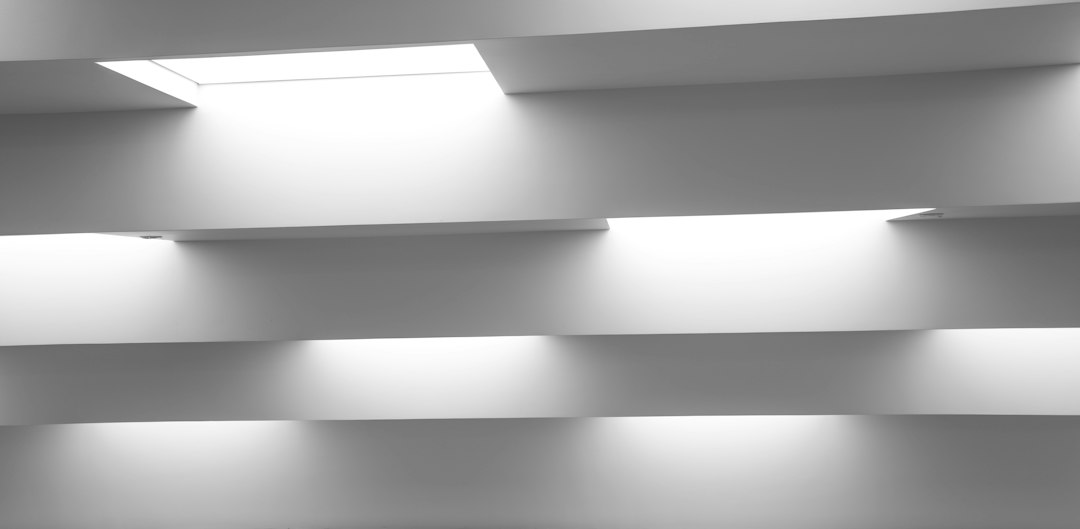
Before diving into specific prices, it’s crucial to understand that “wall washer light” isn’t a single product. It’s a category of fixtures designed to uniformly illuminate a vertical surface, creating a smooth, even wash of light. The technology and design behind these fixtures greatly impact their price.
LED Wall Washers: The Dominant and Diverse Option
Light Emitting Diodes (LEDs) have become the go-to technology for wall washers due to their energy efficiency, long lifespan, and versatility. However, not all LED wall washers are created equal, and their differences directly affect the price tag.
Chip Quality and Brightness
The quality of the LED chips themselves plays a significant role. Higher-quality chips from reputable manufacturers (like Cree, Osram, or Philips Lumileds) offer better color consistency, higher light output (lumens), and greater longevity. You’ll pay more for these premium chips, but they often translate to better performance and fewer replacements down the line. A basic 10W LED wall washer might use generic chips and cost $30, while a similar wattage fixture with high-CRI (Color Rendering Index) chips from a top brand could easily be $80-$150.
Beam Angle and Optics
The specialized optics required to create that wide, even wash of light also influence the cost. Some fixtures use simple lenses, while others incorporate sophisticated reflectors and diffusers to achieve a very smooth beam. More precise optics designed for specific wall heights and distances will generally increase the price. A fixture with adjustable beam angles, offering more flexibility, will also typically be more expensive than a fixed-angle unit.
Color Options and Control
Standard white light (warm white, neutral white, cool white) wall washers are generally the most affordable. RGB (Red, Green, Blue) wall washers, which can produce a vast spectrum of colors, are usually more expensive due to the additional circuitry and control mechanisms required. RGBW (Red, Green, Blue, White) fixtures, adding a dedicated white LED for purer whites, will be even pricier. DMX control, which allows for intricate programming and synchronization of multiple fixtures, also adds to the cost, both for the fixtures themselves and the necessary controllers.
Traditional Lamp Wall Washers (Less Common, but Still Available)
While largely superseded by LEDs, some wall washers still utilize traditional lamp sources like halogen or metal halide. These are becoming rarer, especially for new installations, but they have their own cost characteristics.
Halogen Wall Washers
Halogen lamps offer excellent color rendering but are far less energy-efficient and have a shorter lifespan than LEDs. The initial cost of a halogen wall washer fixture might be lower (e.g., $20-$50 for a basic indoor model), but the ongoing electricity costs and frequent bulb replacements (bulbs costing $5-$15 each) will quickly add up. They are mostly seen in older installations or very specific niche applications where high heat output is not an issue.
Metal Halide Wall Washers
Metal halide lamps provide very high light output, making them suitable for illuminating very tall or large exterior walls. However, they have a warm-up time, generate significant heat, and also have shorter lifespans and lower energy efficiency compared to LEDs. Fixtures tend to be robust and designed for industrial use, with prices ranging from $100 to $400+. While powerful, their operational costs and maintenance needs make them a less attractive option for most new projects compared to modern LED solutions.
Key Factors Influencing Wall Washer Light Pricing
Beyond the basic light source, several other critical factors contribute to the overall cost of wall washer lights. Understanding these will help you budget more accurately and choose the right fixture for your needs.
Build Quality and Materials
The materials used in the fixture’s construction directly impact its durability, longevity, and, consequently, its price.
Housing Materials
- Aluminum: Most common. Extruded aluminum offers good heat dissipation and corrosion resistance. Powder-coated aluminum is standard. Price varies based on thickness and finish quality.
- Stainless Steel: More expensive but offers superior corrosion resistance, especially in harsh environments like coastal areas or industrial settings. Often found in high-end outdoor fixtures.
- Plastic/Polycarbonate: Least expensive, typically used for very basic, often indoor-only or short-term outdoor applications. Durability and heat dissipation are generally lower.
Gaskets and Seals
For outdoor or wet-location wall washers, the quality of gaskets and seals is paramount for water and dust ingress protection (IP rating). Cheaper fixtures might use inferior seals that degrade quickly, leading to premature failure. High-quality silicone gaskets and precision-engineered seals add to the manufacturing cost but ensure long-term reliability.
Heat Sinking
LEDs generate heat, and effective heat dissipation (via heat sinks) is crucial for their lifespan. Well-designed fixtures use substantial aluminum heat sinks, often with fins, to efficiently draw heat away from the LED chips. Skimping on heat sinking in cheaper units can lead to LEDs burning out prematurely, even if they claim a long lifespan.
Ingress Protection (IP) Rating
The IP rating indicates a fixture’s resistance to solids (like dust) and liquids (like water). This is a major cost driver, especially for outdoor applications.
IP20 – IP44 (Indoor Use)
Fixtures with these ratings are designed for indoor use. IP20 means no protection against water and minimal against solids. IP44 offers protection against small solids and splashes. These are the least expensive in terms of IP rating, as they don’t require extensive sealing. Prices range from $20-$100 for basic indoor models.
IP65 – IP67 (Outdoor Use)
- IP65: Dust-tight and protected against water jets from any direction. Suitable for most outdoor applications where direct rain exposure is expected.
- IP66: Dust-tight and protected against powerful water jets. Even more robust for exposed outdoor areas.
- IP67: Dust-tight and protected against temporary immersion in water (up to 1 meter for 30 minutes). Essential for ground-recessed fixtures or areas prone to temporary flooding.
As the IP rating increases, so does the cost, due to the need for higher-quality seals, more robust housing, and specialized manufacturing processes. An IP65 wall washer might start at $80, while an IP67 equivalent could easily be $150-$300+.
Power Supply (Driver) Quality
The LED driver is an essential component that converts AC power to the DC power required by the LEDs. Its quality significantly impacts the fixture’s performance and lifespan.
Internal vs. External Drivers
- Internal Drivers: Many compact fixtures have integrated drivers. This is convenient but can make replacement difficult if the driver fails independently of the LEDs.
- External Drivers: Larger or higher-power fixtures often use external drivers. These can be easier to replace if they fail, and high-quality external drivers (e.g., Mean Well, Philips) are known for reliability. The cost of a good quality external driver can be $20-$100 on its own.
Dimming Capabilities
If you require dimming, the driver must support it. Standard TRIAC dimming is common, but 0-10V or DALI dimming protocols (often found in commercial or sophisticated setups) require specific drivers, which are more expensive. This adds to the overall fixture cost.
Control Systems and Features
The level of control you desire will greatly influence the budget.
Basic On/Off and Fixed Color
The simplest and most affordable option. These fixtures are simply wired to a switch.
Remote Control (IR/RF)
Many consumer-grade RGB wall washers come with a basic infrared (IR) or radio frequency (RF) remote for changing colors and modes. This adds a small amount to the cost (e.g., $10-$30 for the remote and receiver).
DMX Control
For professional installations requiring precise control over individual fixtures, synchronized color changes, and complex light shows, DMX (Digital Multiplex) is the standard. DMX-compatible fixtures are inherently more expensive due to the integrated DMX decoders. Additionally, you’ll need DMX controllers (ranging from $50 for basic units to $1000+ for professional consoles) and DMX cabling, which are separate costs.
Smart Home Integration (Wi-Fi/Bluetooth)
Some modern wall washers can integrate with smart home ecosystems (e.g., Tuya, Smart Life, Zigbee, Z-Wave) via Wi-Fi or Bluetooth. These offer app control, scheduling, and voice assistant compatibility. The added connectivity modules and software development typically increase the price.
Brand Reputation and Warranty
Reputable brands often command higher prices, but this typically comes with better quality control, more rigorous testing, superior customer support, and more robust warranties. A generic, unbranded wall washer might be very cheap ($20), but it might come with no warranty or support, and its actual lifespan could be questionable. A comparable fixture from a well-known lighting manufacturer could be $100-$300, but with a 3-5 year warranty and proven reliability.
Budgeting for Wall Washer Lights: Practical Approaches
Effective budgeting isn’t just about finding the cheapest fixture; it’s about finding the best value for your specific application.
Defining Your Project Needs First
Before looking at prices, clearly define what you need the wall washer to do. This will help you narrow down options and avoid overspending on features you don’t need or, conversely, buying something inadequate.
Indoor vs. Outdoor Application
- Indoor: Less demanding. Lower IP ratings are acceptable. Materials can be less robust. Prices generally $20-$150 per fixture.
- Outdoor: Requires higher IP ratings (IP65+). Robust, corrosion-resistant materials are essential. Prices typically $80-$500+ per fixture.
Desired Effect and Brightness
- Subtle Accent: Lower lumen output may suffice, allowing for smaller, less powerful (and cheaper) fixtures.
- Dramatic Illumination: Higher lumen output will be necessary, often requiring larger fixtures with more powerful LEDs, which are more expensive.
- Color vs. White: White light is cheaper. RGB/RGBW adds cost.
Control Requirements
- Simple On/Off: Most affordable.
- Basic Remote: Modest price increase.
- DMX/Smart Home: Significant cost increase due to fixture features and separate control systems.
Installation Location and Quantity
- Ground-recessed: Requires IP67 rating and strong housing, higher cost.
- Surface-mounted: More flexible, generally easier to install, and can be less expensive.
- Number of Fixtures: Quantity discounts might be available for larger projects, but the total cost will naturally scale up.
Estimating Total Project Costs
Remember that the fixture’s price is only one part of the equation.
Fixture Costs
This is the primary cost, as discussed above. Research average prices based on your defined needs (e.g., “IP65 30W RGBW LED wall washer”).
Wiring and Cabling
- Standard Electrical Wire: Cost varies by gauge and length. For outdoor installations, ensure appropriate outdoor-rated conduit and wiring are used.
- DMX Cable: If using DMX, specialized DMX cabling (e.g., DMX-512 compliant) will be needed, which is different from standard microphone cable.
Power Supplies/Transformers
- If you’re using low-voltage (e.g., 12V or 24V) wall washers, you’ll need suitable LED drivers or transformers. Ensure they are correctly sized for the total wattage of your fixtures. A quality outdoor-rated transformer can cost $50-$200+.
Controllers
- Basic Switch: Free with existing electrical setup.
- Remote/Receiver: $10-$30.
- DMX Controller: $50 (basic) to $1000+ (professional).
- Smart Home Hub/Bridge: If required for integration, these are separate costs, typically $50-$200.
Installation Labor
- Unless you’re doing a simple DIY installation, professional electricians will charge for their time. Rates vary widely by region, but factor in several hours of labor, especially for outdoor or complex DMX installations. This can easily be $100-$300+ per fixture installation, or more for complex wiring runs.
Accessories and Mounting Hardware
- Mounting brackets, stakes, junction boxes, weather-resistant enclosures, and anti-glare louvers are often needed and add to the overall cost.
Comparing Value vs. Price: Don’t Just Go for the Cheapest
It’s tempting to opt for the lowest price, but this can lead to disappointment and higher costs in the long run.
Longevity and Warranty
A slightly more expensive fixture with a 3-5 year warranty from a reputable brand will likely outlast and outperform a very cheap, no-name fixture with no warranty. Replacing failed cheap fixtures prematurely will ultimately cost more.
Energy Efficiency
Higher-quality LED chips and drivers are often more efficient, meaning lower electricity bills over the fixture’s lifespan. The initial savings on a cheap fixture could be quickly eaten up by higher energy consumption.
Light Quality and Consistency
Cheaper LEDs can have poor color rendering, inconsistent color temperature across fixtures, or noticeable flickering. Investing in better quality ensures the desired aesthetic outcome.
Reliability in Harsh Conditions
For outdoor applications, a cheap fixture’s IP rating might be optimistic, leading to water ingress and failure. Paying for a truly robust, well-sealed fixture is crucial for reliability in the elements.
Where to Buy Wall Washer Lights: Options and Considerations
Your purchasing source can also influence price, availability, and support.
Online Retailers (Amazon, eBay, Alibaba/AliExpress)
- Pros: Widest selection, often the lowest prices, easy to compare products. Great for DIY projects or smaller needs.
- Cons: Quality can be highly variable, especially from lesser-known sellers. Support and warranty claims can be challenging with international sellers. It’s difficult to physically inspect products.
- Budget Implications: Excellent for finding budget-friendly options, but be cautious and read reviews extensively. Prioritize sellers with good return policies.
Specialized Lighting Retailers (Online & Brick-and-Mortar)
- Pros: Knowledgeable staff, higher quality products, better warranty support, sometimes offer design consultation. You can often see products in person.
- Cons: Generally higher prices than mass online retailers. Selection might be more curated but less extensive than global marketplaces.
- Budget Implications: A good middle ground for quality and support, often worth the slightly higher price for peace of mind, especially for more critical applications.
Electrical Supply Houses / Wholesale Distributors
- Pros: Primarily cater to electricians and contractors. Offer commercial-grade products, competitive pricing for bulk orders, and technical support.
- Cons: May require a business account, limited selection for individual consumers.
- Budget Implications: Excellent for larger projects where multiple fixtures are needed. Can secure better per-unit pricing than retail.
Direct from Manufacturers
- Pros: Can offer the best pricing for very large orders, direct technical support.
- Cons: Often have minimum order quantities, not accessible to individual consumers.
- Budget Implications: Not typically relevant for small-scale projects.
Maximizing Your Budget: Smart Shopping and Installation Tips
Once you have a handle on pricing, here are some actionable tips to get the most out of your wall washer lighting budget.
Prioritize Features Based on Need
Don’t pay for features you don’t need. If you only need white light, don’t buy an RGBW fixture. If it’s a simple residential accent, you probably don’t need DMX control. Every additional feature adds cost.
Consider Phased Installation
If your budget is tight, consider installing the most critical wall washers first and adding more later as funds become available. This allows you to spread out the cost.
DIY vs. Professional Installation
For simple indoor wall washers that plug into an outlet or are hardwired to an existing switch, a DIY approach can save significant labor costs. However, for outdoor, high-voltage, or complex DMX systems, professional installation is highly recommended for safety, proper function, and warranty validity. Factor in electrician costs.
Look for Sales and Discounts
Keep an eye out for seasonal sales, clearance events, or bulk discounts from suppliers. Signing up for newsletters from lighting retailers can alert you to promotions.
Read Reviews and Check Certifications
Especially when buying from online marketplaces, thoroughly read product reviews. Look for mentions of actual light output, color consistency, build quality, and longevity. For electrical products, certifications like UL, ETL, or CE indicate that the product meets safety and quality standards, which is usually a sign of better quality control.
Don’t Forget Power Consumption
While often overlooked during initial purchase, remember that higher wattage fixtures consume more electricity. Over time, the energy savings from more efficient (though perhaps slightly more expensive initially) LED wall washers can outweigh the upfront cost difference.
Proper Placement and Aiming
Even the best wall washer won’t look good if poorly placed or aimed. Planning the optimal distance from the wall and the correct aiming angle can ensure you get the most out of your fixtures, potentially reducing the number of fixtures needed or allowing for lower-wattage (and cheaper) units to achieve the desired effect.
By carefully considering these factors and planning ahead, you can successfully illuminate your chosen surfaces with wall washer lights that meet your aesthetic goals without breaking the bank.