The integration of specific lighting fixtures, such as pendant lights, into Scandinavian kitchen design necessitates a nuanced understanding of both aesthetic principles and functional requirements. Scandinavian design, characterized by minimalism, functionality, and a focus on natural materials, influences the selection and placement of lighting to create environments that are both practical and visually appealing. This article explores the considerations for incorporating cozy pendant lighting into Scandinavian kitchens, examining design principles, material choices, lighting techniques, and practical implementation.
Scandinavian kitchen design prioritizes simplicity, natural light nusaliving, and a connection to nature. It aims to create spaces that are bright, airy, and uncluttered, fostering a sense of calm and well-being. This ethos extends to all elements, including lighting.
Core Principles of Scandinavian Aesthetics
The foundational tenets of Scandinavian design, often summarized as “less is more,” directly impact lighting choices.
Minimalism and Functionality
Scandinavian kitchens eschew excessive ornamentation. Every element should serve a purpose, and this applies equally to pendant lights. Their design should be clean, straightforward, and free from superfluous embellishments. Functionality is paramount; the light must effectively illuminate the workspace or dining area without creating visual clutter. Consider the light fixture as a tool, expertly crafted for its intended task, rather than a decorative bauble.
Natural Materials and Textures
Wood, often light-toned such as birch or ash, is a hallmark of Scandinavian design. Concrete, glass, and metal are also frequently employed. The materials of the pendant light should complement these natural elements, adding to the kitchen’s organic feel. A pendant crafted from unfinished wood, for instance, resonates with the rustic yet refined aesthetic, acting as an echo of the timber present in cabinetry or flooring. Matte finishes are generally preferred over high-gloss, contributing to a subdued and natural ambiance.
Brightness and Airiness
Maximizing natural light is a cornerstone of Scandinavian design, particularly in regions with long, dark winters. Artificial lighting, therefore, plays a crucial role in compensating for limited daylight. Pendant lights contribute to overall brightness without overwhelming the space. They are not merely sources of illumination but contributors to the overall luminosity of the room, working in concert with natural light like instruments in an orchestra.
Selecting Pendant Lights for Coziness
“Cozy” in the context of Scandinavian design does not imply dimness or enclosed spaces, but rather a feeling of warmth, comfort, and invitation. Pendant lights contribute to this through their design, light output, and placement.
Form and Proportion
The shape and size of a pendant light are critical to its integration within a Scandinavian kitchen.
Geometric Simplicity
Pendants often feature clean lines and geometric forms – cylinders, cones, spheres, or simple bowls. These shapes align with the minimalist aesthetic, avoiding visual disruption. They are often unadorned, relying on their form and the quality of their materials to convey elegance. Think of them as fundamental building blocks, contributing to a larger architectural statement.
Scale and Placement
The size of the pendant must be proportionate to the space it occupies. A large, singular pendant might be suitable above a substantial dining table, while smaller, multiple pendants are more appropriate above an island or counter. Consideration of ceiling height is also crucial. Too low, and the pendant becomes an obstruction; too high, and its impact is diminished. The light should hover at a height that is both functional for illumination and aesthetically pleasing, like a well-positioned centerpiece.
Material Choices and Their Impact
The material composition of a pendant light significantly influences the overall atmosphere.
Wood Pendants
Wood pendants introduce natural warmth and texture. Oak, ash, and birch are common choices, often left in their natural state or lightly stained to preserve their inherent beauty. The grain patterns of the wood add subtle visual interest without being overly decorative. A wooden pendant acts as a small, contained campfire, radiating warmth even before the light is switched on.
Metal Pendants
Matte-finished metals such as brushed steel, brass, or copper offer an industrial edge that can complement Scandinavian design, particularly when paired with natural wood elements. The muted sheen of matte metal provides sophistication without being ostentatious. These metals often serve as accents, providing a subtle contrast to softer textures.
Glass Pendants
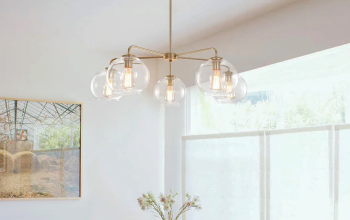
Clear or frosted glass pendants allow light to diffuse evenly, contributing to the bright and airy feel. Transparent glass can offer a sense of lightness and openness, while frosted glass softens the light, creating a more diffused glow. A glass pendant can act like a clean window, allowing the light to pass through unhindered, or a frosted pane, gently softening its intensity.
Ceramic Pendants
Ceramic pendants offer a handcrafted feel and can introduce subtle color or texture. Their often-imperfect surfaces add a touch of artisanal charm, aligning with the appreciation for natural, handmade items in Scandinavian design.
Lighting Techniques for Ambient Warmth
Beyond the fixture itself, how a pendant light emits and distributes light is fundamental to creating a cozy atmosphere.
Warm Color Temperature
For creating coziness, warm white light is essential. Light sources with a color temperature between 2700K and 3000K emit a softer, more inviting glow compared to cooler, bluer light. This lower color temperature mimics the warmth of incandescent bulbs and contributes to a relaxed ambiance. Higher color temperatures, while suitable for task lighting, can feel stark and less inviting in a general kitchen setting. The light should feel like a gentle embrace, not a sharp awakening.
Dimmable Functionality
The ability to dim pendant lights is crucial for versatility. During the day or for task-intensive activities, brighter illumination may be desired. In the evening or during social gatherings, dimmed lighting can transform the kitchen into a more intimate and relaxing space. Dimmers allow occupants to fine-tune the illumination to the specific mood or activity, much like adjusting the volume of music to suit the occasion.
Diffused vs. Directed Light
The type of light emitted by a pendant fixture – diffused or directed – impacts the overall feel.
Diffused Lighting
Pendants with shades that diffuse light evenly throughout the space contribute to a soft, ambient glow. This type of lighting minimizes harsh shadows and creates a more uniform illumination, conducive to a relaxed atmosphere. It creates a gentle blanket of light, covering all surfaces softly.
Directed Lighting (Task-Oriented)
While seeking coziness, functionality remains important. Pendants that provide more directed light can be beneficial over work surfaces or dining tables, ensuring adequate illumination for tasks like food preparation or reading. However, this directed light should still embody warmth and avoid harshness. It serves as a focused beam, highlighting specific areas without blinding the observer.
Strategic Placement and Grouping
The positioning of pendant lights is as important as their individual characteristics in shaping the kitchen’s ambiance.
Over Kitchen Islands and Peninsulas
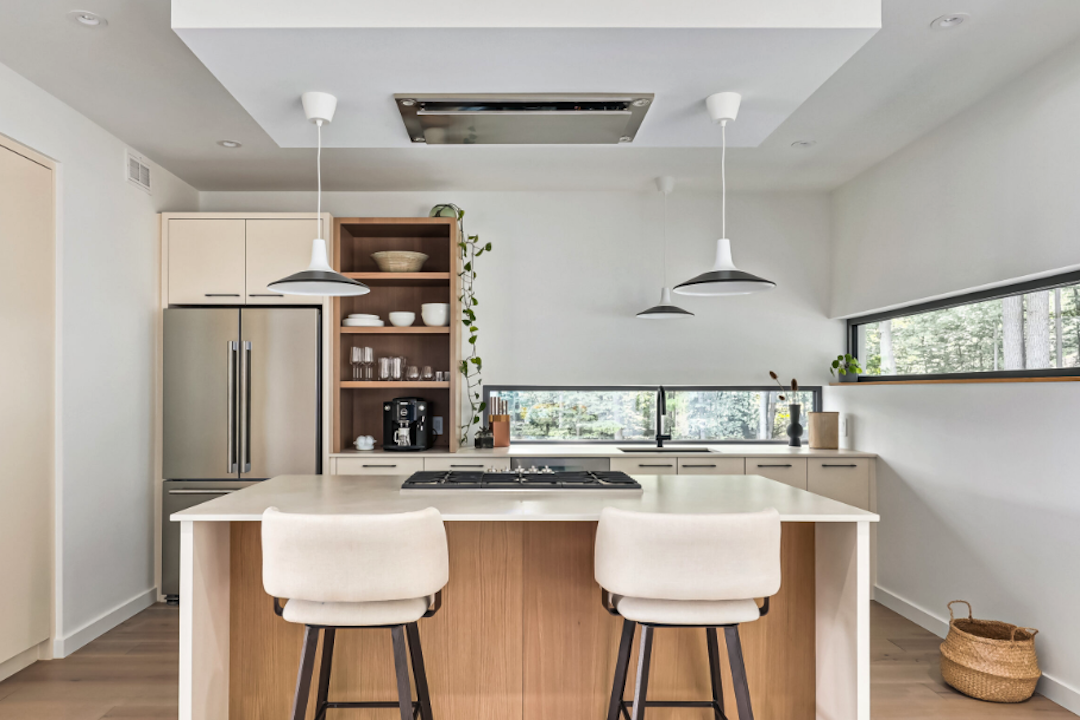
Above a kitchen island or peninsula, pendants serve both functional and aesthetic purposes. They provide task lighting for preparation and dining, while also acting as focal points.
Single Statement Pendant
In smaller kitchens or with larger islands, a single, strategically chosen pendant can make a significant visual statement. Its design should be robust enough to stand alone and command attention without overwhelming the space. Consider it a singular, well-chosen brushstroke on a minimalist canvas.
Multiple Pendants in a Row
For longer islands or a more balanced distribution of light, two or three smaller pendants arranged in a linear fashion are often preferred. The spacing between pendants is crucial for visual harmony and even illumination. This arrangement creates a visual rhythm, guiding the eye along the length of the island.
Groupings at Varying Heights
For an added layer of visual interest and a more sculptural effect, multiple pendants can be hung at varying heights over an island. This creates a dynamic arrangement, reminiscent of stalactites or a cluster of luminous blooms. However, ensure that the lowest pendant does not obstruct views or movement.
Over Dining Areas
When the kitchen incorporates a dining area, pendant lighting above the dining table becomes a key element in defining that space and enhancing the dining experience.
Central pendant
A single, well-proportioned pendant centered above the dining table helps to anchor the dining area within the larger kitchen space. Its light should illuminate the table surface effectively without creating glare for those seated.
Cluster of Pendants
A cluster of smaller pendants can create a more intimate and visually appealing focal point above a dining table. This arrangement can offer more diffused light and a softer overall glow, ideal for creating a cozy dining environment. The cluster acts as a miniature constellation of light, drawing attention to the communal eating space.
Ambient Lighting Contribution
While pendants are often task or accent-focused, they also contribute significantly to the overall ambient lighting of the kitchen. They should work in conjunction with other light sources, such as recessed lighting, under-cabinet lighting, and natural light, to create a layered lighting scheme. This layering prevents any single area from being either too bright or too dim, resulting in a cohesive and comfortable environment.
Installation and Practical Considerations
Beyond aesthetics, practical aspects of pendant light installation are paramount for safety and longevity.
Wiring and Electrical Requirements
Ensure that the electrical wiring in the kitchen can support the chosen pendant lights. For multiple pendants, appropriate junction boxes and circuit capacity are necessary. Consulting a qualified electrician is advisable to ensure compliance with local electrical codes and safe installation. Avoid attempting complex electrical installations without proper knowledge and experience; this is a sphere where expertise is not merely beneficial but essential.
Adjustable Height Mechanisms
Many pendant lights come with adjustable cords or rods, allowing for precise height customization during installation. This feature is particularly useful for achieving optimal illumination and visual balance, especially over islands or dining tables where precise height matters. The ability to fine-tune the height is akin to a sculptor making a final adjustment to their masterpiece.
Maintenance and Cleaning
Consider the ease of cleaning when selecting pendant lights. Materials that accumulate dust easily or are difficult to reach for cleaning can become a maintenance burden. Smooth surfaces and simple designs are generally easier to maintain, contributing to the kitchen’s appeal over time.
Energy Efficiency (LEDs)
For both environmental and economic reasons, opt for LED bulbs for pendant lights. LEDs offer superior energy efficiency, longer lifespan, and consistent light quality compared to traditional incandescent or halogen bulbs. Many LED bulbs also offer dimmable options, aligning with the need for versatile lighting in a cozy Scandinavian kitchen.
Conclusion
Creating a cozy Scandinavian kitchen through the strategic use of pendant lighting involves a confluence of design principles, material choices, lighting techniques, and practical implementation. By adhering to the core tenets of Scandinavian design – minimalism, functionality, and a connection to natural elements – and by carefully considering form, material, light temperature, and placement, one can transform a kitchen into a space that is not only highly functional but also deeply inviting and comfortable. Pendant lights, when chosen and deployed thoughtfully, act as more than just light sources; they are integral components in shaping the very atmosphere of the heart of the home. They are the punctuation marks in the visual sentence of your kitchen, adding clarity and warmth.