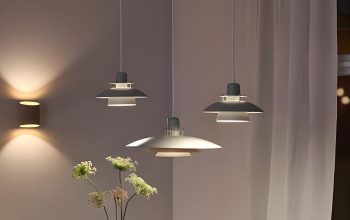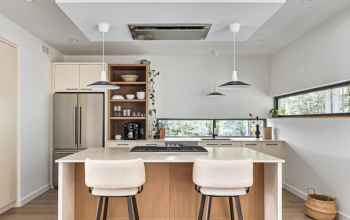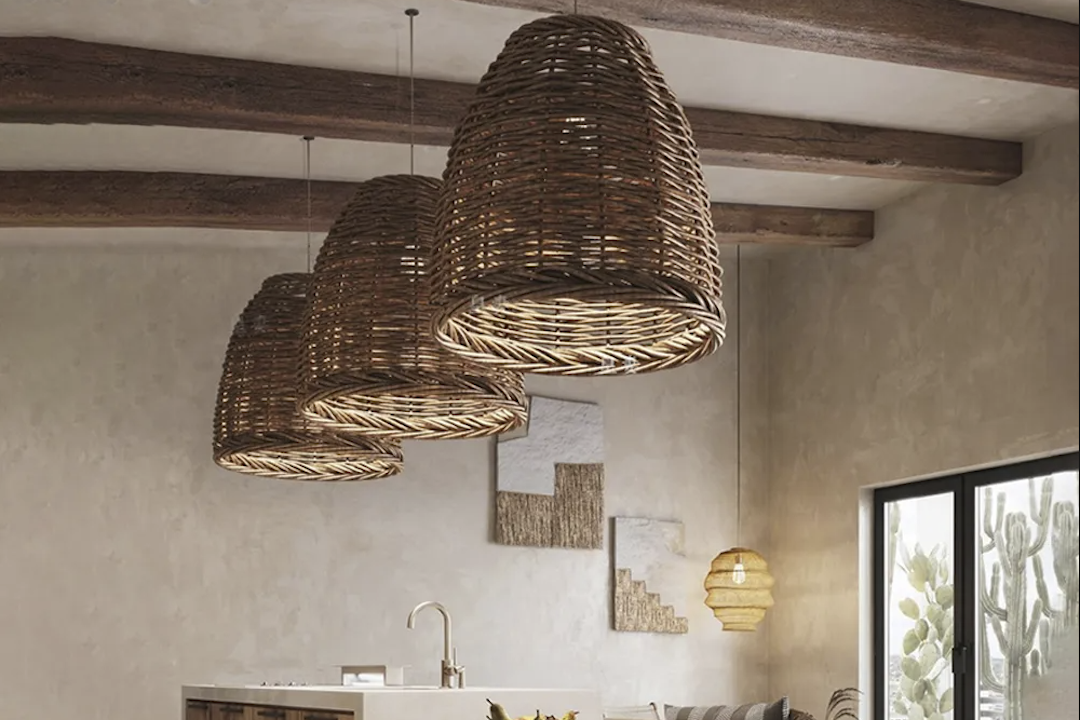
The Scandi-Boho aesthetic represents a confluence of two distinct yet complementary design philosophies: Scandinavian minimalism and Bohemian eclecticism. This hybrid style, gaining prominence in contemporary interior design, seeks to integrate the clean lines, functional simplicity, and natural materials characteristic of Nordic design with the relaxed, globally-inspired, and often handcrafted elements of Bohemian decor. Within this design framework, lighting plays a crucial role in establishing both ambiance and functionality. The “minimalist wall lamp,” as a specific lighting fixture, serves as a quintessential element in achieving the Scandi-Boho look, offering both practical illumination and a subtle decorative accent without overwhelming the overall design.
Defining Scandi-Boho Principles
Understanding the Scandi-Boho aesthetic is essential before delving into the specifics of a minimalist wall lamp Aluredesign within this context. Consider it a carefully choreographed dance between structure and freedom, where each element contributes to a harmonious whole.
Scandinavian Influences
Scandinavian design, at its core, prioritizes functionality, simplicity, and natural materials. Think of a well-designed tool – its form is dictated by its purpose, and ornamentation is secondary. In homes, this translates to uncluttered spaces, ample natural light, and a muted color palette often dominated by whites, grays, and natural wood tones. The emphasis is on practicality and creating a sense of calm and order. Materials such as light-colored wood (birch, pine, ash), wool, linen, and ceramic are commonly employed. Form follows function is a guiding principle.
Bohemian Infusions
Bohemian design, in contrast, embraces a more eclectic and free-spirited approach. It draws inspiration from various cultures, often incorporating global textiles, handcrafted items, and a richer, more diverse color palette. Imagine a well-traveled artist’s studio – it’s a collection of cherished objects, each with a story. There’s a deliberate informality, a sense of lived-in comfort, and an appreciation for the artisanal. Elements like rattan, macrame, woven baskets, patterned rugs, and an abundance of plants are typical. The emphasis is on comfort, personality, and a connection to nature and global craftsmanship.
The Synthesis: Bridging the Gap
The magic of Scandi-Boho lies in its ability to synthesize these seemingly disparate aesthetics. It’s not about diluting either style but rather finding a middle ground where their strengths amplify each other. The minimalism of Scandinavian design provides a clean canvas, preventing Bohemian elements from becoming chaotic or overwhelming. Conversely, the bohemian touches inject warmth, personality, and a sense of inviting comfort into potentially stark Scandinavian interiors. It’s about creating a space that feels both meticulously curated and effortlessly lived in, a testament to thoughtful design choices. This balance is critical when selecting elements like the minimalist wall lamp.
Characteristics of the Minimalist Wall Lamp
A minimalist wall lamp, within the Scandi-Boho context, is not merely a light source; it contributes to the overall atmospheric integrity of a space. Its design prioritizes understated elegance and practical illumination without drawing undue attention to itself.
Form and Function
The primary characteristic of a minimalist wall lamp is its straightforward form. You won’t find excessive ornamentation, elaborate details, or superfluous elements. Its design is stripped down to its essential components: a base, an arm (if applicable), a light source, and a shade (if present). The form is often geometric, featuring clean lines, circles, or simple rectangular shapes. Its function is direct – to provide task or ambient lighting efficiently. It acts as a supporting actor, not the lead role, in the theatrical production of your room.
Material Selection
Material choice is paramount in defining the minimalist wall lamp’s aesthetic. Common materials include:
- Metal: Matte black, white, or brushed brass finishes are prevalent. These materials offer durability and a sleek, contemporary feel. The metallic elements often serve as a subtle anchor in the design.
- Wood: Light-colored woods like oak or birch are frequently incorporated, either as the primary structure or as accent details. Wood introduces natural warmth and aligns with both Scandinavian and Bohemian design principles.
- Glass: Frosted or clear glass diffusers may be used to soften the light or obscure the bulb, contributing to a refined aesthetic.
- Textiles: Occasionally, minimalist wall lamps might feature a simple fabric shade in a natural material like linen or cotton, adding a touch of texture and diffusing the light warmly.
Color Palette
The color palette of a minimalist wall lamp typically aligns with the muted tones of the Scandi-Boho aesthetic. Whites, blacks, grays, and natural wood tones are dominant. Occasionally, a subtle pop of color, such as a deep terracotta or an olive green, might be introduced in a very restrained manner. The goal is for the lamp to integrate seamlessly into the existing color scheme, rather than becoming a disruptive focal point.
Lighting Quality and Purpose
Considering the quality and purpose of the light emitted is as important as the lamp’s physical design.
Ambient Lighting
For ambient lighting, minimalist wall lamps often feature a soft, diffused glow. This can be achieved through frosted glass or textile shades, or by directing the light upwards or downwards to bounce off a surface. The aim is to create a general sense of warmth and illumination without harshness, akin to moonlight gently filtering through a window.
Task Lighting
When used for task lighting, such as beside a bed for reading or in a workspace, the minimalist wall lamp often incorporates an adjustable arm or head. This allows the user to direct the light precisely where needed. The light output might be more focused, but still, the design remains understated and ergonomic. Think of it as a quiet workhorse, always ready to assist without demanding attention.
Decorative Illumination
While primarily functional, a minimalist wall lamp also serves a decorative purpose. Its clean lines and thoughtful design contribute to the overall aesthetic of the wall. It can act as a subtle architectural element, defining a space or highlighting a particular area without resorting to overt embellishment. It’s a whisper, not a shout, in the symphony of your interior.
Placement and Integration in Scandi-Boho Interiors
The placement of a minimalist wall lamp is not arbitrary; it’s a strategic decision that influences the functionality and visual harmony of a room. Consider it a carefully placed brushstroke on a painter’s canvas.
Bedroom Applications
In the bedroom, minimalist wall lamps offer a space-saving alternative to traditional bedside table lamps. Wall-mounted lamps free up valuable surface area on nightstands, allowing for other essentials or simply maintaining an uncluttered look.
Bedside Lighting
Typically installed on either side of the bed, often with individual switches, these lamps provide focused reading light without disturbing a partner. Their minimalist design integrates seamlessly with a Scandi-Boho bedroom, which often emphasizes calm and restful environments.
Accent Lighting
Beyond direct task lighting, a minimalist wall lamp can cast a soft glow in a specific area, creating an intimate ambiance. Perhaps above a unique piece of artwork or beside a potted plant, it adds depth and interest without being overly bright.
Living Room and Entryway Applications
In living rooms and entryways, the minimalist wall lamp transcends being a mere light source; it becomes an integral part of the room’s visual composition.
Supplemental Lighting
In larger living spaces, wall lamps can supplement overhead lighting, providing a softer, more layered approach to illumination. They can define zones within an open-plan layout or highlight architectural features.
Focal Point Enhancement
While minimalist, a well-chosen wall lamp can subtly draw attention to a particular wall or a piece of furniture positioned beneath it. Imagine a minimalist lamp above a console table adorned with a handcrafted ceramic vase – the lamp becomes a quiet frame for the display.
Entryway Illumination
In entryways, a minimalist wall lamp provides practical illumination for welcoming guests and a stylish first impression. It sets the tone for the rest of the home without cluttering a potentially small or narrow space.
Choosing the Right Minimalist Wall Lamp
Selecting the ideal minimalist wall lamp for your Scandi-Boho interior involves a process of careful consideration, ensuring it aligns with both aesthetic and functional requirements. Approach this as an architect selecting the perfect material for a vital structural element.
Scale and Proportion
The size of the lamp must be proportionate to the wall it inhabits and the furniture it accompanies. A large lamp on a small wall can feel overwhelming, while a tiny lamp on an expansive wall may appear lost. As a general guideline, consider the visual weight of the lamp in relation to its surroundings. If mounting above a bed, ensure it doesn’t extend too far beyond the headboard or appear dwarfed by it.
Wall Dimensions
Measure the wall space available. Consider the height at which the lamp will be installed and its horizontal spread. This will prevent disproportionate choices that disrupt the visual flow.
Furniture Scale
If the lamp is intended to illuminate a specific piece of furniture, such as a sofa or a dining table, ensure its size complements that furniture without competing with it. The lamp should feel like an extension, not an interruption.
Integrated Design Elements
Consider how the lamp’s specific design elements contribute to the overall Scandi-Boho aesthetic. Each component, however small, plays a part in the larger narrative of your space.
Arm Length and Adjustability
For task lighting, an adjustable arm is often beneficial. Ensure the arm length is sufficient to direct light where it’s needed without straining. A swing-arm lamp, for instance, offers greater flexibility.
Shade Material and Light Diffusion
The shade material dictates how light is diffused. A metal shade will direct light more focally, while a fabric or glass shade will provide a softer, more ambient glow. Choose based on the primary function and desired mood.
Visible Hardware
In truly minimalist designs, hardware is often concealed or rendered almost invisible. If visible, ensure it’s harmonious with the lamp’s overall aesthetic and material choices. Exposed screws or chunky mechanisms can detract from the clean lines.
Energy Efficiency and Bulb Type
Modern lighting solutions demand consideration for energy efficiency and bulb technology.
LED Integration
Many minimalist wall lamps are designed to accommodate LED bulbs, which offer superior energy efficiency and longevity compared to traditional incandescent bulbs. LED lighting often provides excellent color rendering, crucial for maintaining accurate color perception in your interior.
Dimmer Compatibility
For creating versatile ambiance, consider lamps that are compatible with dimmer switches. This allows you to adjust the light intensity from bright task lighting to a soft, intimate glow, adapting the space to various activities and moods. Think of it as controlling the volume of light in your room.
Warmth of Light
The color temperature of the bulb – measured in Kelvin (K) – significantly impacts the feel of a room. For Scandi-Boho, warmer temperatures (2700K-3000K) are generally preferred, as they emit a softer, more inviting light that complements natural materials and a relaxed atmosphere. Cooler temperatures (above 4000K) can feel stark and less conducive to the aesthetic.
Maintenance and Longevity
Like any well-chosen element in a home, a minimalist wall lamp benefits from proper care to ensure its aesthetic appeal and functional longevity. Think of it as a trusted companion that requires occasional attention to continue performing at its best.
Cleaning and Care
Regular cleaning helps maintain the lamp’s appearance and prevents dust or grime buildup from diminishing its light output.
Material-Specific Cleaning
Different materials require different cleaning approaches. Metal surfaces often benefit from a soft, damp cloth and mild soap (if necessary), followed by a dry polish to prevent streaks. Wooden elements should be wiped with a dry or slightly damp cloth, avoiding harsh chemicals. Glass shades can be cleaned with a glass cleaner, while fabric shades may require gentle dusting or spot cleaning. Always refer to manufacturer guidelines for specific instructions.
Bulb Replacement
When a bulb needs replacing, ensure you use the correct wattage and bulb type as specified by the manufacturer. Using an incompatible bulb can lead to poor performance, damage to the lamp, or even a fire hazard. LED bulbs, while longer lasting, will eventually require replacement, and understanding the specific model for your lamp is crucial.
Longevity and Sustainability
The Scandi-Boho aesthetic inherently values items that are built to last, reducing the need for frequent replacement. This aligns with principles of sustainability.
Quality Construction
Invest in a minimalist wall lamp crafted from high-quality materials and with sound construction. A well-made lamp will endure daily use and maintain its aesthetic integrity over time, making it a more responsible choice both financially and environmentally. It’s a purchase for the long haul, not a fleeting trend.
Repairability
Consider if components of the lamp, such as the shade or wiring, are easily replaceable or repairable. While most modern lamps are largely self-contained, a design that allows for some level of maintenance contributes to its overall longevity and reduces waste. Choosing products that are designed with repairability in mind aligns with a sustainable mindset, fostering a mindful consumer approach.