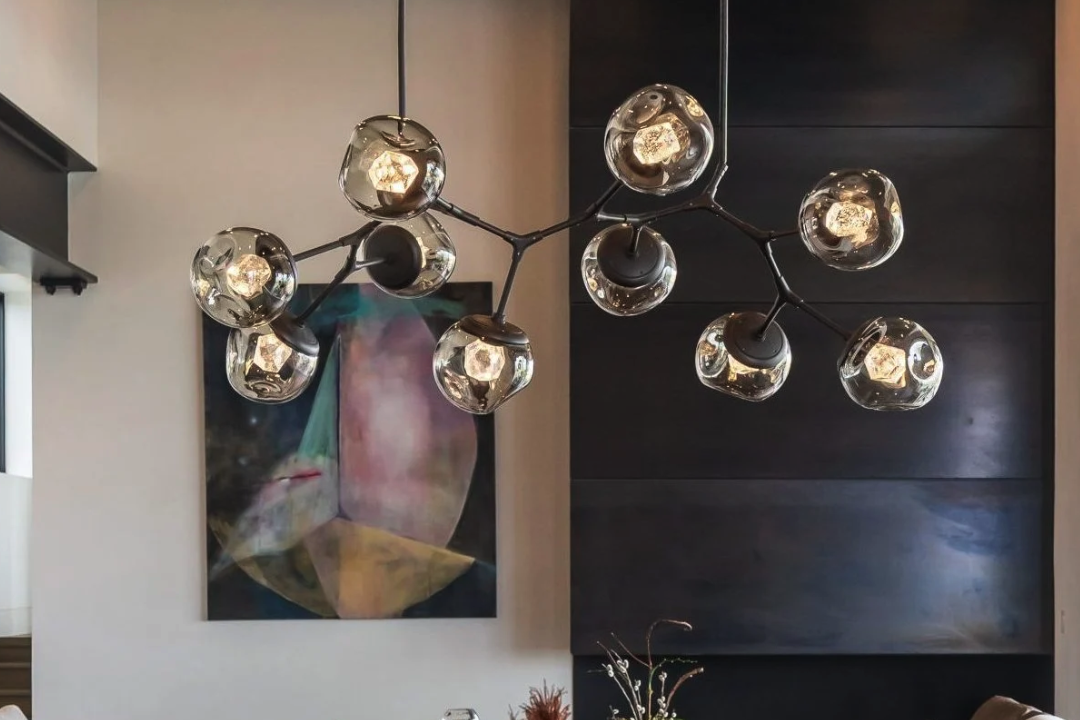
So, you’ve got one of those cool glass and steel lofts and you’re wondering how to light it up in a way that feels modern and actually works? It’s a great question because these spaces can be a bit tricky – lots of open area, reflective surfaces, and often a desire to keep that industrial-chic vibe. The good news is, it’s totally doable, and there are some really interesting ways to go about it. Basically, modern loft lighting is all about balancing functionality with atmosphere, using smart fixture choices and placement to highlight the best features of your space without making it feel cold or sterile.
The Essentials: Why Lighting Matters in a Loft
Before we dive into specific trends, let’s quickly touch on why lighting Jayhull is such a big deal in a loft. It’s not just about seeing. In an open-plan space like a loft, lighting is your primary tool for defining zones. Without it, your living area, dining space, and kitchen might just bleed into one another.
Defining Zones Without Walls
- Layered Lighting is Key: Think of it like building blocks. You need ambient light for general illumination, task lighting for specific activities (like reading or cooking), and accent lighting to draw attention to art or architectural features.
- Visual Separation: Strategically placed lights can create subtle visual boundaries, making your open space feel more organized and intentional. A pendant light over a dining table instantly anchors that area, for example.
Enhancing the Industrial Aesthetic
- Materials Matter: Loft spaces often boast exposed brick, concrete, steel beams, and large windows. Lighting can either complement these textures or fight against them.
- Highlighting Rawness: The right lighting can make those industrial elements feel warm and inviting, not just cold and unfinished. Think about how light plays on textured surfaces.
Trend 1: Industrial-Chic Reimagined
The industrial look is practically synonymous with lofts, but “modern” means we’re moving beyond just bare bulbs. It’s about refining that raw aesthetic with smarter, more sophisticated fixtures.
Sleek, Minimalist Industrial
- Black Metal Dominance: Forget rusty iron. Think matte black, brushed nickel, and gunmetal finishes. These sleek materials offer a modern take on classic industrial forms.
- Clean Lines and Geometric Shapes: Fixtures are becoming more streamlined. Think simple cylinder pendants, rectangular track lights, and minimalist wall sconces with sharp edges.
- Exposed Bulbs with a Twist: While exposed bulbs are still popular, the bulbs themselves are getting an upgrade. Look for Edison-style bulbs with a warmer hue, or even higher-end LED filament bulbs that offer more energy efficiency and a softer glow.
- Example Fixtures:
- Slim black track lighting systems that can be easily repositioned.
- Pendant lights with a single exposed bulb encased in a simple, geometric metal cage.
- Wall sconces that mimic factory barn lights but with a refined, powder-coated finish.
Functional Art Meets Industrial
- Sculptural Elements: Lighting fixtures are becoming statement pieces in themselves. They can add an artistic, almost sculptural quality to the loft.
- Movable and Adjustable: Many modern industrial fixtures offer flexibility. Think adjustable arms on wall lamps or pendants that can be raised or lowered. This is crucial for adapting lighting to different needs and activities.
- Integrated Design: Some fixtures seamlessly blend into the architecture, appearing as extensions of walls or ceilings rather than tacked-on additions.
Trend 2: The Power of Track Lighting
Track lighting has undergone a massive glow-up and is now a go-to for lofts. It’s incredibly versatile, allowing you to direct light exactly where you need it.
The Modern Track System
- Monorail and Flex Systems: Beyond traditional linear tracks, you’ll see more flexible monorail systems that can curve and adapt to different layouts, as well as individual spotlight “heads” that can be plugged in anywhere along a linear track.
- Sleek and Discreet Designs: Many modern track systems are designed to be less obtrusive. They come in matte black, white, or silver and have slim profiles that blend into ceilings or beams.
- Multi-functional Heads: You can mix and match different types of heads on the same track – spotlights for art, wider floodlights for general illumination, and even decorative pendants that attach to the track.
- Smart Integration: Increasingly, track lighting systems are compatible with smart home technology, allowing for dimming, color temperature changes, and scheduling via an app.
Strategic Placement for Maximum Impact
- Highlighting Architectural Features: Use spotlights to draw attention to exposed brick walls, steel beams, or interesting ceiling structures.
- Task Lighting on Demand: Position track lights over kitchen countertops, desks, or reading nooks where you need focused light.
- Creating Ambiance: Angle wider beam spotlights towards walls or ceilings to create a soft, diffused ambient light that bounces off surfaces.
- Consider the Steel: Steel beams can be a great place to mount track systems, further integrating the lighting with the loft’s structure.
Trend 3: Ambient Glow and Warmth
Glass and steel can sometimes feel a bit cool. The modern approach is to inject warmth and create a cozy atmosphere without sacrificing that contemporary feel.
Warm LED Technology
- Color Temperature is Key: Look for LEDs with a color temperature of around 2700K to 3000K. This range mimics the warm, inviting glow of traditional incandescent bulbs, avoiding that harsh, blueish light that can make spaces feel sterile.
- Dimming Capabilities: Almost all modern lighting trends emphasize dimmability. This is essential for adjusting the mood from bright and functional to soft and relaxing.
- Even Diffusion: Many modern fixtures are designed with diffusers that soften the light and prevent glare, which is particularly important in spaces with reflective surfaces.
Indirect and Up-Lighting
- Washing Walls and Ceilings: Using uplights or wall-mounted fixtures that direct light upwards can create a beautiful, diffused glow that washes across the ceiling and upper walls. This makes the space feel larger and more inviting.
- Cove Lighting: Integrated LED strips hidden in coves or along architectural details (like the top of cabinets or along the edges of rooms) provide a soft, continuous ambient light that feels sophisticated and modern.
- Floor and Table Lamps: Don’t underestimate the power of well-placed floor and table lamps. They add pools of localized warmth and create cozy nooks within the larger open space. Look for designs with fabric shades that diffuse light beautifully.
Trend 4: Smart Lighting and Connectivity
Technology is making lighting more functional, adaptable, and even fun. Smart lighting is no longer just a novelty; it’s a practical enhancement for modern living.
The Convenience of Control
- App-Based Management: Control your lights from your smartphone or tablet – dimming, changing colors (if applicable), scheduling, and creating custom scenes.
- Voice Activation: Integrate with voice assistants like Alexa or Google Assistant for hands-free control. “Hey Google, dim the living room lights to 40%.”
- Scene Setting: Create pre-programmed lighting “scenes” for different activities: “Movie Night” (dimmed, warm light), “Dinner Party” (brighter, focused dining light), “Morning Wake-up” (gradually increasing light).
Beyond Basic Illumination
- Tunable White LEDs: Some smart systems allow you to adjust the color temperature of your lights throughout the day. Cooler, brighter light in the morning can help you feel more awake, while warmer, softer light in the evening promotes relaxation.
- Energy Efficiency: Smart lighting systems can be programmed to turn off lights when rooms are empty or to dim lights when full brightness isn’t needed, saving energy and money.
- Security Features: Schedule lights to turn on and off when you’re away to create the illusion of occupancy, enhancing home security.
- Consider the Steel: Smart systems can be integrated with sensors that adjust lighting based on natural light levels, which is particularly useful in lofts with large windows.
Trend 5: Statement Fixtures and Artistic Flair
While functional lighting is crucial, a loft also offers the perfect canvas for dramatic, artistic lighting pieces.
The Pendant Light Revival
- Oversized and Dramatic: Don’t shy away from large, statement pendant lights. They can become the focal point of a room, adding personality and anchoring the space.
- Materials Beyond Metal: While industrial metal is popular, explore options like textured glass, concrete, or even fabric shades in modern forms.
- Cluster Pendants: Grouping several smaller pendants at varying heights can create a dynamic visual effect, especially over an island or a seating area.
- Linear Pendants: A sleek, elongated pendant light can be perfect for illuminating a long dining table or kitchen island.
Artistic Wall and Ceiling Installations
- Sculptural Sconces: Wall sconces are no longer just utilitarian. They can be art pieces in themselves, with unique shapes, textures, and light patterns.
- Integrated LED Art: Some fixtures are designed to look like abstract art, with LED strips forming intricate patterns that provide both illumination and visual interest.
- Recessed and Cove Lighting as Art: When done thoughtfully, recessed lighting and cove lighting can be used to create dramatic lines and shapes on ceilings and walls, turning illumination into an architectural art form.
- Consider the Glass: If you have large glass walls, consider how lighting will reflect. Fixtures that cast interesting shadows or light patterns can create a beautiful interplay of light and reflection on the glass.
Putting It All Together: Practical Tips for Your Loft
Now that we’ve covered the trends, let’s talk about how to actually implement them in your glass and steel sanctuary.
Layering is Non-Negotiable
- Ambient: Start with a good base layer. This could be recessed ceiling lights (choose fixtures with a wide beam spread and a warm color temperature), or a large, diffused ceiling fixture.
- Task: Identify your activity zones. Where do you read? Cook? Work? Install dedicated task lighting there – under-cabinet lights in the kitchen, a pendant over the dining table, a floor lamp next to your favorite armchair.
- Accent: Use spotlights to highlight artwork, sculptures, or architectural details. This adds depth and visual interest.
Mind the Reflective Surfaces
- Avoid Glare: With so much glass and steel, glare can be a major issue. Opt for fixtures with diffusers or shades that soften the light. Position lights so they don’t directly reflect off large glass panels.
- Uplighting is Your Friend: Uplighting can create a beautiful, diffused glow that bounces off ceilings and walls, minimizing direct glare.
Embrace Flexibility
- Dimmers Everywhere: Install dimmers on as many circuits as possible. This is the easiest way to transform the mood of your loft.
- Movable Fixtures: Track lighting, floor lamps, and adjustable sconces give you the power to change your lighting layout as your needs or preferences evolve.
Think About the “Feel”
- Warmth is Key: As mentioned, warm LED temperatures (2700K-3000K) are essential for creating a cozy atmosphere in what can otherwise feel like a stark environment.
- Consider the Scale: Lofts are often large and open. Don’t be afraid to use larger, more impactful fixtures. Small, fussy lights can get lost.
By understanding these trends and applying some practical thinking, you can transform your glass and steel loft into a beautifully lit, functional, and inviting space. It’s all about finding that sweet spot between industrial cool and comfortable living.