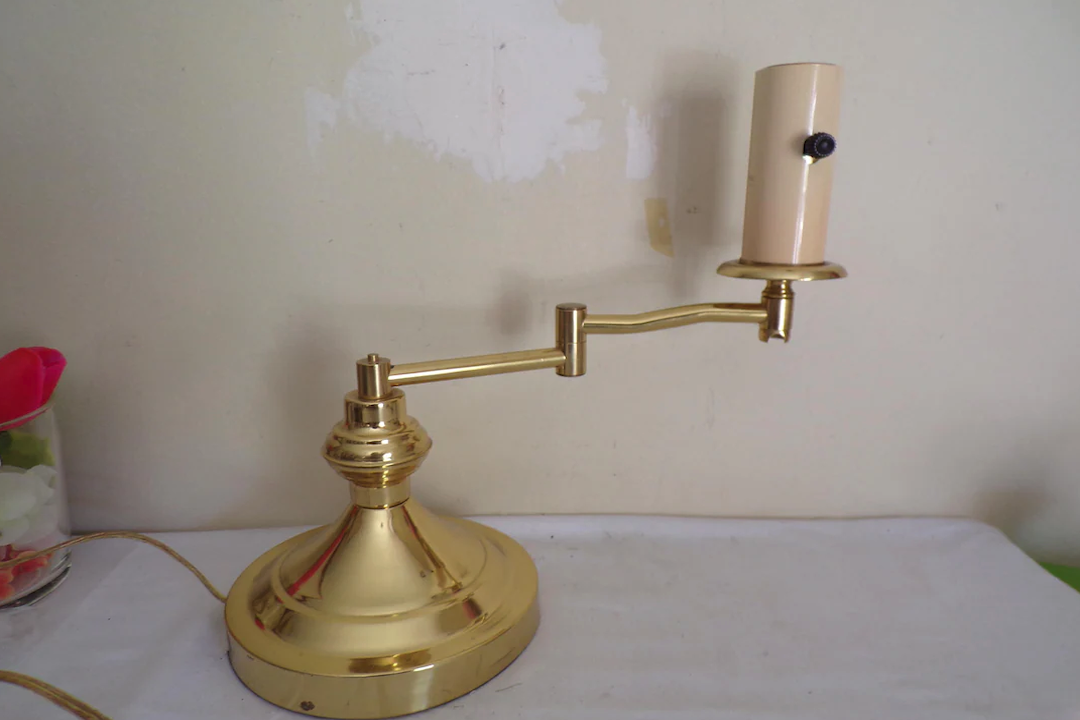
So, you’re wondering if an antique brass swing arm reading lamp is a good fit for your desk? The short answer is a resounding yes, especially if you value both aesthetics and practical, adjustable lighting. These lamps offer a unique blend of old-world character and modern functionality, providing focused illumination while adding a touch of timeless elegance to your workspace. They’re more than just a light source; they’re a statement piece that can elevate the entire feel of your desk area.
When we talk about “antique brass,” we’re not just discussing a color; we’re talking about a finish that evokes a specific era and carries certain inherent qualities. It’s distinct from polished modern brass or even brushed brass, offering a depth and character that’s hard to replicate with newer materials.
The Allure of Patina
True antique brass has developed a patina over time – a natural oxidation process that gives it a rich, warm, and often slightly uneven appearance. This isn’t a flaw; it’s a desirable characteristic that tells a story. This patina can range from deep, dark browns to areas with hints of original luster peeking through. It’s this lived-in quality that makes each antique brass lamp Lightingstudioberkeley feel unique and special. Modern “antique brass” finishes try to mimic this, often with chemical treatments or lacquers, but they rarely achieve the same organic depth of genuine age.
Durability and Longevity
Brass, as an alloy, is inherently durable. It’s resistant to corrosion and tarnishing (though it will develop a patina), making it a long-lasting material. When you invest in an antique brass lamp, you’re often getting a piece that has already stood the test of time and is likely to continue doing so for many more years with proper care. This makes it a sustainable choice, as you’re not contributing to the cycle of disposable goods.
A Timeless Aesthetic
Brass has been used in lighting and decorative objects for centuries, meaning it transcends fleeting trends. It pairs beautifully with a wide range of interior design styles, from traditional and industrial to eclectic and even some minimalist approaches looking for a touch of warmth. Its classic appeal ensures it won’t look dated anytime soon, making it a wise long-term investment for your desk.
The Swing Arm Advantage: Functionality Meets Flexibility
Beyond the beautiful finish, the swing arm design is arguably the most practical feature of these lamps. It’s what makes them so well-suited for desk work.
Precision Lighting Where You Need It
The primary benefit of a swing arm is the ability to direct light exactly where you need it. Unlike a fixed-neck lamp, a swing arm allows you to move the light source across your desk, adjusting it for different tasks. Reading a document? Swing the light closer. Working on a keyboard? Move it back slightly to avoid glare. This adjustability is crucial for reducing eye strain and improving focus over long periods.
Maximizing Desk Space
Desk real estate is precious. A lamp with a fixed, wide footprint can eat up valuable space. Many antique brass swing arm lamps are designed with a smaller base, or they might even be clamp-on or wall-mounted, freeing up surface area entirely. Even the base models often have a more compact footprint than traditional desk lamps, and the ability to swing the head over your workspace means the base doesn’t have to be directly in the way of your work.
Ergonomics and Eye Health
Proper lighting is a cornerstone of good ergonomics. Poor lighting can lead to squinting, headaches, and general fatigue. A swing arm lamp allows you to position the light to minimize glare on your computer screen or reading material, reducing strain on your eyes. You can adjust the intensity (if using a dimmable bulb) and angle to create an optimal lighting environment for whatever task you’re performing, promoting better posture and overall comfort.
Finding Your Perfect Match: What to Look For
Navigating the world of antique brass lamps can be a bit overwhelming with so many styles and conditions. Knowing what to prioritize will help you make an informed decision.
Condition: Patina vs. Polished
As discussed, genuine antique brass will have a patina. Decide if you prefer the deeply aged, unpolished look or something that has been lightly cleaned or even polished. A polished antique brass lamp will lose some of its historical character but might fit a slightly more refined aesthetic. Be wary of “antique brass” that looks uniformly pristine and new, as it might be a modern reproduction rather than a true antique (unless that’s what you’re specifically looking for). Look for signs of wear and age consistent with its supposed age.
Style Variations
Antique brass swing arm lamps come in a surprising array of styles, each reflecting different periods and design philosophies.
Industrial and Banker’s Lamps
Many swing arm lamps have roots in industrial design, often featuring robust construction, exposed joints, and a utilitarian aesthetic. Banker’s lamps, while typically having a fixed shade, sometimes incorporate swing arm mechanisms in modern interpretations, melding classic form with added flexibility. These often have a heavier, more substantial feel.
Art Deco and Mid-Century Modern Influences
You can also find antique brass lamps with Art Deco flourishes – geometric shapes, stepped bases, and a blend of form and function. Later, Mid-Century Modern designs might feature sleeker lines, often with a more minimalist approach to the brass itself, perhaps combined with other materials like wood or chrome. These can offer a more sophisticated, streamlined look.
Victorian and Edwardian Eras
For a truly historical feel, lamps from the Victorian and Edwardian eras often showcase more ornate detailing, perhaps with decorative elements cast into the brass, or fluted columns. These pieces tend to be more decorative and less purely utilitarian, adding a touch of old-world grandeur.
Bulb Compatibility and Wiring
This is a critical practical consideration. Older lamps may have outdated wiring, which can be a fire hazard.
Rewiring and Safety
If you’re buying a true antique, it’s almost always a good idea to have it professionally rewired, especially if the cord is frayed, cracked, or feels brittle. This ensures the lamp is safe for modern use. A qualified electrician can replace the internal wiring, switch, and plug while preserving the lamp’s exterior appearance. Many reputable antique dealers will have already done this.
Bulb Socket Types
Most older lamps use standard E26 (Edison screw base) sockets, making it easy to find modern LED bulbs. However, some very old or foreign imports might have different socket types (like European E14 or B22 bayonet bases). Check the socket type before purchasing if you’re not looking for a project.
LED Compatibility
Modern LED bulbs are a game-changer for antique lamps. They produce very little heat, which is important for preserving older wiring and shades, and they are incredibly energy-efficient. Look for “dimmable” LEDs if you want to pair the lamp with a dimmer switch (either built-in or inline on the cord) for ultimate light control.
Integration & Placement: Making It Work on Your Desk
Once you’ve found your perfect lamp, thinking about how it fits into your existing desk setup is key. It’s not just about turning it on; it’s about creating a cohesive and functional workspace.
Desk Surface Considerations
The size and finish of your desk will play a role. A heavier brass lamp might look out of place on a very flimsy desk. Conversely, its weight can provide stability. Consider how the brass finish interacts with your desk material – warm brass can beautifully complement wood tones, while it can provide a striking contrast against cooler materials like glass or metal.
Avoiding Glare
Position the lamp so that the bulb is either shielded or positioned in a way that prevents direct glare into your eyes or onto your monitor. The swing arm makes this much easier. Generally, placing the light to your side and slightly in front of your work area is a good starting point.
Cable Management Ideas
Antique lamps often come with visible cords. Consider how you’ll manage these to maintain a tidy workspace. Cable clips, cord covers, or even running the cord discreetly behind furniture can help. Some more robust lamps might have braided fabric cords that add to the vintage aesthetic, making them less offensive to the eye.
Complementary Decor
An antique brass lamp rarely stands alone in its impact. Think about other elements on your desk and in your room to create a harmonious environment.
Pairing with Materials
Brass pairs well with a variety of materials. Wood (especially darker, richer woods like walnut or mahogany), leather, and natural fibers like linen or wool all complement brass beautifully. You can also mix it with other metals, but be mindful of creating a cohesive palette. For instance, pairing it with other warm-toned metals like bronze or copper can work well, but mixing too many disparate metals can sometimes look cluttered.
Balancing with Modern Elements
The beauty of antique brass is its ability to bridge contemporary and traditional styles. Don’t feel obligated to make your entire desk look like a museum piece. A vintage lamp can provide warmth and character to an otherwise minimalist or modern desk setup, creating an interesting contrast and focal point. It can prevent a modern space from feeling too sterile.
Care and Upkeep: Keeping Your Brass Beautiful
Antique brass, while durable, benefits from a little care to maintain its appeal. Luckily, it’s not overly demanding.
Cleaning and Polishing (or Not)
Decide if you want to preserve the natural patina or if you prefer a brighter, shinier finish.
Preserving Patina
If you love the aged look, simply dust your lamp regularly with a soft, dry cloth. Avoid abrasive cleaners or polishes, as these will remove the patina. If it gets a bit grimy, a very gentle wipe with a damp cloth (water only) followed immediately by a dry cloth can clean it without stripping the finish.
Polishing for Shine
If you prefer a polished look, use a reputable brass cleaner specifically designed for antique brass. Apply it sparingly with a soft cloth, following the product instructions. Be aware that repeated polishing will remove the patina entirely. Often, a gentle polishing once a year or every few years is sufficient to maintain a polished look without constant effort.
Addressing Minor Issues
Over time, you might encounter minor wear and tear.
Loose Joints or Screws
Swing arm mechanisms often involve joints and screws. Occasionally, these might loosen, causing the lamp arm to droop. A simple tightening with the appropriate screwdriver can usually resolve this. Just be careful not to overtighten and strip the screws.
Electrical Checks
Even after rewiring, it’s a good practice to occasionally inspect the cord for any visible damage or fraying. If you notice any issues, stop using the lamp and have it checked by an electrician.
An antique brass swing arm reading lamp for your desk isn’t just a functional item; it’s an investment in style, comfort, and timeless quality. It offers precise lighting, frees up desk space, and brings a unique character that modern lamps often lack. By considering its condition, style, and how it integrates with your space, you can choose a piece that will enhance your work environment for years to come.